
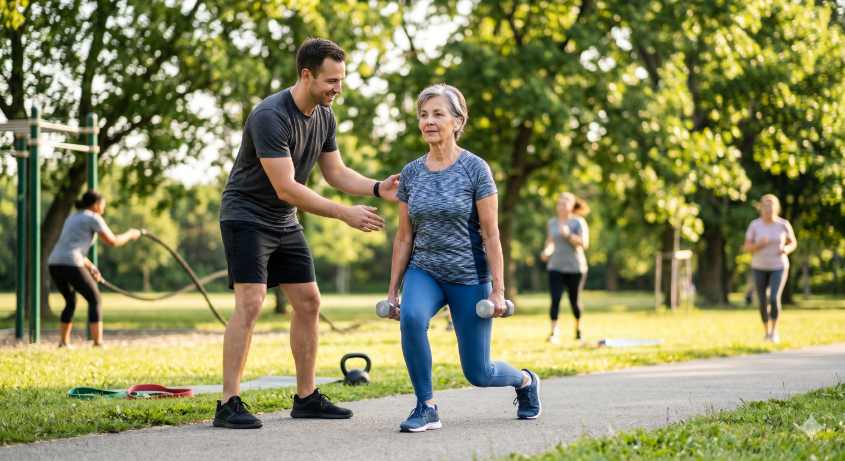
Training for longevity involves prioritizing the physical skills required to remain independent and active in later life. Instead of focusing on short-term aesthetic goals, this approach emphasizes maintaining bone density, muscle mass, and cardiovascular health. By implementing specialized strategies like Zone 2 endurance and functional strength training today, you can protect your joints and ensure a higher quality of life for decades to come.
- Prioritize Zone 2 Cardio: Maintain a low-intensity aerobic base to improve mitochondrial function.
- Focus on Bone Density: Use resistance training and weighted carries to prevent age-related bone loss.
- Establish a Stable Foundation: Use professional footwear and custom shoe fitting to prevent falls and joint wear.
- Optimize Metabolic Health: Combine steady-state movement with proper nutrition and supplements.
The Concept of Functional Aging
Functional aging is the practice of training for the physical tasks you want to be able to perform in your eighth or ninth decade. This include tasks such as carrying groceries, getting up from the floor, or walking long distances without assistance. By treating fitness as a long-term investment, the focus shifts to metabolic health and structural stability. This requires a transition from high-impact, high-stress workouts to sustainable, science-backed movement patterns.
Cardiovascular Pillars: Zone 2 and Rucking
Cardiovascular health is the strongest predictor of lifespan. Two specific methods are currently considered the most effective for long-term heart health.
Zone 2 training refers to exercise performed at an intensity where you can still maintain a conversation. This level of effort utilizes fat as a primary fuel source and improves the efficiency of your mitochondria. Aiming for 150 to 200 minutes per week of Zone 2 movement is a standard recommendation for metabolic health.
Rucking, or walking with a weighted vest, is a functional alternative to running. It provides a cardiovascular challenge while simultaneously building strength in the core and lower body. Because it is lower impact than running, it is often a safer choice for individuals focused on preserving joint health over many years.
Building Structural Integrity with Strength Training
Muscle mass is often referred to as longevity insurance. Starting at age 40, humans can lose up to 1% of their muscle mass per year if they are not actively training.
To combat this, strength training should focus on compound movements and grip strength. Grip strength is statistically correlated with a lower risk of cardiovascular disease. Incorporating weighted carries and squats into your routine helps maintain bone density and balance. Before starting a weighted program, it is essential to ensure your feet are properly supported to avoid injury. Many residents start this process by visiting our Sioux City fitness equipment source to find the right strength tools.
Equipment and Gear Requirements for Longevity
The gear you choose significantly impacts your ability to train consistently without injury.
High-volume, stable footwear like the Saucony Echelon or Brooks Adrenaline provides the wide base necessary for rucking and strength work. For cardiovascular sessions, using a treadmill or elliptical allows for precise control over heart rate zones, ensuring you stay within Zone 2. Additionally, incorporating orthopedic footwear and specialized insoles can correct alignment issues that might otherwise lead to chronic pain as mileage increases.
Frequently Asked Questions
What is the best way to determine my Zone 2 heart rate? A common method is the talk test. If you can speak in full sentences but would prefer not to, you are likely in Zone 2. For more precision, many use a heart rate monitor to stay between 60% and 70% of their maximum heart rate.
How does rucking compare to walking for fitness? Adding weight to your walk increases the metabolic demand and strengthens the postural muscles. It burns significantly more calories than standard walking while remaining much easier on the knees than running.
Can I start longevity training if I have existing joint pain? Yes, but the approach should begin with a professional assessment. We often recommend a 3D foot scan to identify pressure points and ensure your footwear is not contributing to the pain.
How many days a week should I lift weights for longevity? Current research suggests that two to three full-body strength sessions per week are sufficient to maintain muscle mass and bone density for most adults.
Are there specific shoes recommended for rucking? Shoes with a wide toe box and stable cushioning are best. Brands like Altra or Topo allow the foot to splay naturally under the added weight, while Hoka offers the maximal cushioning needed for longer distances.
Does grip strength really matter for health? Yes. Low grip strength is a clinical marker for frailty. Training your grip through carries and hanging exercises is an essential part of an aging-well strategy.
Building a body that lasts requires moving with intention and using the correct equipment. Whether you are beginning a Zone 2 walking program or setting up a home gym for strength work, Peak Performance provides the expertise to help you reach your goals. Visit our Sioux City location to ensure your footwear and equipment are optimized for your long-term health.
Author: Peak Performance Team Last Updated: April 24, 2026 Credentials: Specialized in biomechanical footwear fitting and commercial/residential fitness equipment for over 20 years.