
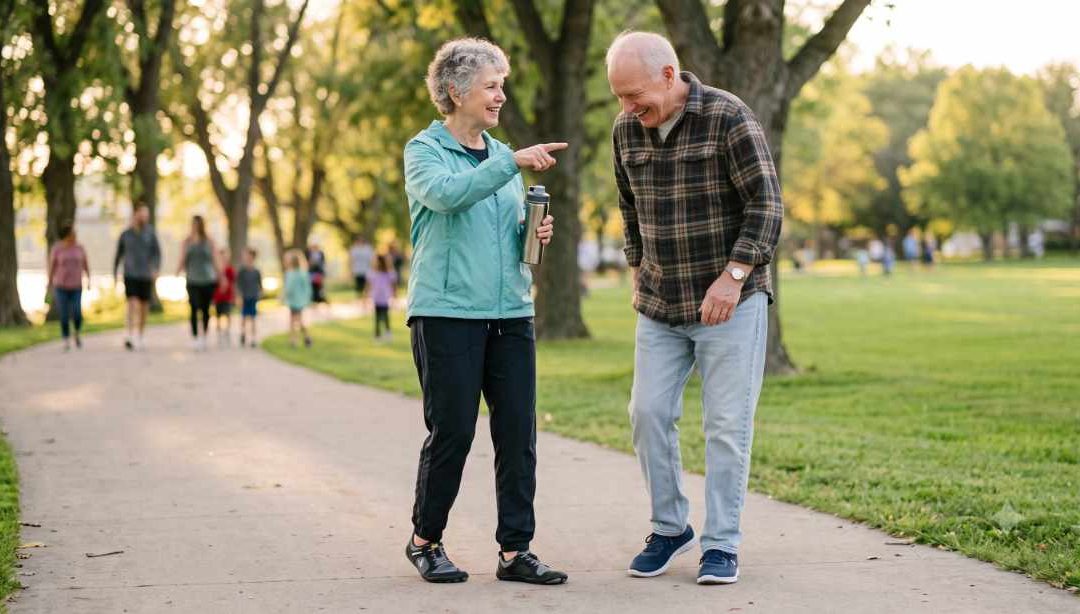
Maintaining consistent daily mobility is one of the most critical factors for long-term health and independence. As the body matures, natural structural changes occur in the feet—including the thinning of the protective fat pads beneath the heel and the loss of elasticity in major tendons. For many retired individuals, experiencing persistent foot fatigue or joint strain is often directly related to footwear choice.
Selecting shoes that feature low heel-to-toe drops and stable geometries can restore proper body alignment, minimize joint impact, and provide a secure foundation for an active retirement.
- Support Natural Geometry: Footwear designed to mimic the flat profile of bare feet allows the structural components of the lower limbs to function efficiently.
- Reduce Joint Compensation: Lowering the heel height prevents the pelvis from tilting forward, directly reducing strain on the lower back and knees.
- Enhance Dynamic Balance: A wider, low-profile sole keeps the foot closer to the ground, increasing sensory feedback and improving overall stability.
- Prioritize High-Volume Platforms: Accommodating natural foot expansion and structural variations prevents common pressure-point injuries.
What is a Heel-to-Toe Drop?
The heel-to-toe drop of a shoe represents the difference in height between the cushioning under the heel and the cushioning under the forefoot. Traditional athletic trainers frequently feature a high drop of 10mm to 12mm, meaning the heel sits significantly higher than the toes. In contrast, low-drop shoes typically range from 0mm to 4mm, positioning the heel and the ball of the foot on nearly the same horizontal plane. Understanding this measurement is essential, as it dictates how your body weight is distributed across your skeleton with every step.
The Structural Benefits of Low-Drop Footwear for Seniors
Wearing shoes with an elevated heel permanently alters your center of gravity, forcing your calves to tighten and pushing your pelvis forward. To keep you upright, your lower back must overcompensate, which frequently leads to chronic stiffness and hip discomfort.
Shifting to a low-drop shoe restores a neutral alignment to the entire kinetic chain. By bringing the heel down to its natural level, the Achilles tendon and calf muscles can lengthen and absorb shock properly. This structural shift takes the burden off the knees and lower back, distributing your body weight evenly across the entire surface of the foot. Furthermore, being closer to the ground enhances proprioation—the body’s ability to sense its position and balance—which is a vital component in preventing slips and falls.
Top Footwear Characteristics for Retired Individuals
When selecting everyday shoes for an active retirement, look for models that blend specific stability features with natural underfoot geometry:
Broad, Straight Lasts: Look for shoes built on a straight, wide foundation rather than an aggressive curve. A broad sole platform ensures that your foot remains completely stable during lateral movements and daily walking routines.
Anatomical Toe Boxes: Shoes that feature a wide, foot-shaped toe box allow the toes to splay naturally under weight. This design element is crucial for preventing the compression that exacerbates bunions, hammertoes, or nerve pain in the forefoot.
Stable Neutral Cushioning: While soft foam feels comfortable initially, a platform that is too plush can create instability. Opt for a firm, responsive midsole that protects the foot from hard concrete surfaces while maintaining a solid base for walking.
The Role of Proper Fit in Lower Body Alignment
Selecting the right drop height is only effective if the shoe accommodates the exact physical dimensions of your foot.
Because foot shape evolves over time—often becoming wider or developing lower arches—relying on a past shoe size frequently leads to choosing restrictive footwear. Utilizing a professional custom shoe fitting process removes the guesswork. A personalized dynamic assessment ensures that the shoe’s internal architecture aligns perfectly with your arch, provides adequate volume for custom insoles, and leaves sufficient room for natural swelling. Whether your specific baseline requires the wide, natural design of Altra or the stable neutral platform of supportive shoes, a data-driven choice protects your joint health.
Frequently Asked Questions
Why do my calves feel tight after switching to a low-drop shoe? When you switch from an elevated shoe to a low-drop model, your calf muscles and Achilles tendons are allowed to stretch fully for the first time in years. This mild stretching sensation is normal and disappears as the muscles adapt to proper length and alignment.
Are zero-drop shoes safe for individuals with severe arthritis in the knees? Yes. In fact, lowering the heel reduces the forward shearing force on the knee joint during walking. However, individuals with existing joint conditions should transition slowly and look for models that combine a low drop with ample shock-absorbing cushioning.
How can I tell what the heel drop is on my current walking shoes? Drop information is rarely printed inside the shoe. The most accurate method is to consult a footwear specialist or check the manufacturer’s technical specifications for the exact stack height difference between the heel and forefoot.
Should retired individuals avoid lightweight racing shoes for daily walks? Yes. Lightweight racing models are built for speed and often feature narrow bases and flexible uppers that lack the stability needed for daily structural support. A dedicated daily walking or training shoe is much safer.
Can I wear low-drop shoes if I use custom orthotic inserts? Absolutely. Many low-drop shoes feature deep, accommodating footbeds designed specifically to accept specialized inserts. Models like the Saucony Echelon provide a wide, stable base that allows your orthotic to align the foot cleanly without adding unnatural heel height.
How long does it take to fully transition to a low-drop footwear routine? A gradual transition is highly recommended. Start by wearing your new low-drop shoes for one to two hours a day during light activities, slowly increasing the duration over a few weeks to allow your lower leg muscles to adjust safely.
Investing in footwear that aligns with your natural biomechanics is an essential step toward preserving lifelong mobility. By choosing low-drop shoes that support proper posture and eliminate unnecessary joint pressure, you can protect your body from wear and tear. Peak Performance is committed to helping you analyze your unique stride and introducing you to the precise gear needed for independent, pain-free movement. Visit our Sioux City retail showroom today to get measured and discover a reliable foundation for your health.
Author: Peak Performance Team
Last Updated: July 15, 2026
Credentials: Serving the Sioux City region for more than twenty years as the trusted authority on gait health, advanced footwear engineering, and specialized products.