
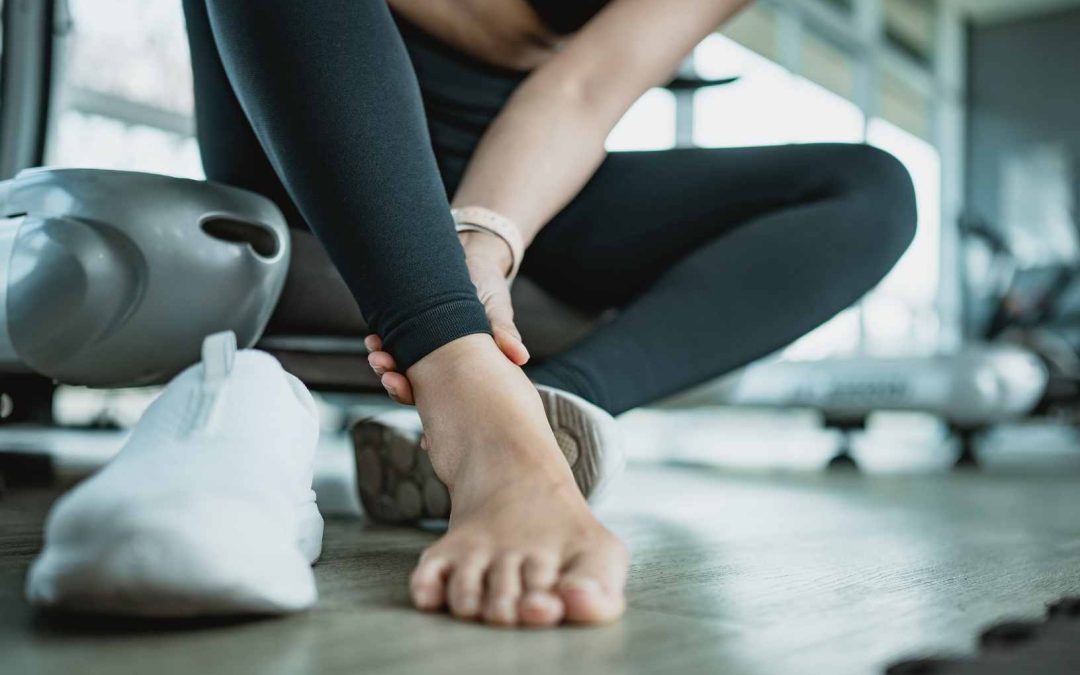
Experiencing persistent tiredness or soreness in your feet and lower legs after a typical day of standing, walking, or working is a frequent complaint. While many individuals assume that minor foot pain is an unavoidable part of a busy routine, it is often a direct result of biomechanical strain or inadequate support. Identifying the underlying factors that contribute to this discomfort is the first step toward achieving lasting physical relief and improving overall daily mobility.
- Recognize the Strain: Daily activities place thousands of pounds of cumulative force on the small bones, ligaments, and muscles of your feet.
- Identify Support Gaps: Traditional fashion shoes or completely flat footwear rarely provide the structural stability required for hard surfaces.
- Address Biomechanical Nuances: Underlying issues such as overpronation or fallen arches can cause cascading fatigue up into your knees and lower back.
- Prioritize Specialized Gear: Upgrading to engineered products that feature protective cushioning and customized design can alter your physical daily baseline.
The Real Impact of Daily Standing and Walking
Your feet serve as the primary foundation for your entire body, absorbing the direct shock of every step you take. When you spend hours standing on unforgiving surfaces like concrete, tile, or hardwood floors, the soft tissues in your feet are subjected to continuous compression. Over time, this constant pressure depletes the natural fat pads beneath your heels and the balls of your feet, leading to deep muscle fatigue.
Without an external structure to absorb this impact, the muscles in your lower legs are forced to work overtime simply to keep you balanced and upright. This extra exertion is why a long shift or a heavy day of errands frequently results in tight calves, an aching achilles tendon, and generalized lower body exhaustion.
Common Structural Culprits Behind Foot Pain
Persistent discomfort is rarely just a sign of being tired; it is usually an indicator that your footwear is forcing your feet into an unnatural alignment.
When a shoe lacks adequate structure, your foot may roll inward excessively during your gait, a condition known as overpronation. Overpronation strains the plantar fascia—the thick band of tissue running along the bottom of your foot—which can eventually cause the sharp heel pain associated with plantar fasciitis. Conversely, individuals with rigid, high arches suffer from poor natural shock absorption because their feet fail to flex enough to dissipate impact. In both cases, the lack of a tailored, stable platform forces the body to compensate, causing micro-stress that migrates up the kinetic chain to the ankles, knees, and hips.
How Modern Footwear Technology Solves the Problem
Modern athletic and lifestyle footwear has evolved beyond simple aesthetics to offer genuine biomechanical support that targets daily strain.
To effectively counteract fatigue, premium shoes implement advanced geometric designs and multi-density foams. For example, a pronounced rocker-sole geometry—found in models like the Hoka Bondi—helps smoothly guide your foot through the heel-to-toe transition, significantly reducing the workload on your forefoot and calves. Furthermore, shoes designed on a straight, broad last, such as the Saucony Echelon, provide an inherently stable neutral platform. This specific engineering accommodates wider foot shapes and easily accepts medical-grade insoles without causing vertical cramping, offering a precise solution for complex structural foot needs.
The Role of In-Store Analysis in Preventing Strain
Selecting a pair of shoes based on numerical size alone frequently leads to an improper fit and continued physical discomfort.
Because every individual possesses a unique combination of arch height, volume, and gait mechanics, a personalized assessment is vital to breaking the cycle of foot fatigue. Utilizing advanced tools like an in-store 3D foot scan allows for an objective analysis of your foot’s exact dimensions and specific pressure distribution under weight. Pairing this digital data with a professional manual evaluation ensures that your next pair of shoes will properly align your skeleton and distribute impact evenly. Whether you need a highly cushioned active model or specialized orthopedic footwear, investing in a data-driven fitting prevents cascading injuries and restores comfort to your active lifestyle.
Frequently Asked Questions
Why do the arches of my feet ache even when I am wearing cushioned shoes? Cushioning alone is not enough if your foot lacks proper alignment. A shoe that is overly soft without structured arch support can cause your foot to wobble or roll inward, forcing your muscles to strain harder to maintain stability.
Can wearing the wrong shoes cause pain in my knees and lower back? Yes. When your feet are improperly supported, it alters your entire posture and gait cycle. This misalignment forces your knees and lower back to absorb residual shock, frequently resulting in chronic joint fatigue.
How do I know if my everyday shoes have lost their structural support? If you notice visible wear on the outsole, a compressed or wrinkled midsole, or if your feet begin aching sooner in the day than they used to, the structural materials have likely broken down and require replacement.
What type of shoe sole is best for standing on hard concrete all day? A shoe featuring a wide, steady platform, ample shock-absorbing cushioning, and a subtle rocker profile is ideal. This design distributes your body weight evenly and minimizes the impact of hard floors on your joints.
Should I choose a stability shoe or a neutral shoe with an insole for foot fatigue? This depends entirely on your unique biomechanics. A neutral shoe paired with a supportive, contouring insert often provides a more customized fit than a standard stability shoe, especially for individuals with uneven arches.
Is it safe to walk barefoot around the house if my feet are already sore? Walking barefoot on hard, unyielding home surfaces like tile or hardwood places direct, unmitigated pressure on tired ligaments. Utilizing a supportive, cushioned indoor slipper or recovery shoe is highly recommended for immediate relief.
Eliminating daily foot fatigue requires a deliberate approach to structural support and footwear selection. By understanding how your unique gait interacts with the surfaces you encounter every day, you can make informed choices that protect your body from unnecessary strain. Peak Performance is dedicated to analyzing your specific biomechanical needs and introducing you to the precise gear necessary for pain-free movement. Visit our Sioux City retail location to evaluate your alignment and find a lasting solution for your daily comfort.
Author: Peak Performance Team
Last Updated: May 27, 2026
Credentials: Serving the Siouxland community as the premier resource for medically-supported fitness footwear, custom fittings, and biomechanical analysis.