
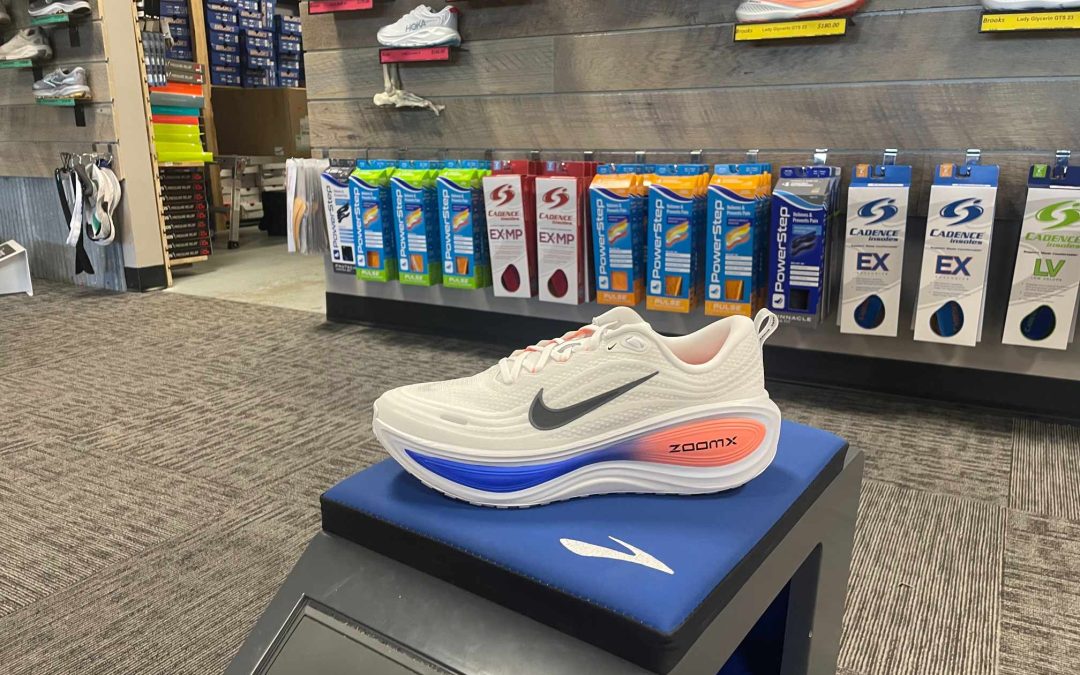
Are your feet tired of the guessing game? Many people buy athletic shoes based on appearance or a numerical size alone, only to develop mysterious discomfort after a few weeks of consistent wear. The truth is that wearing the incorrect shoe category can cause a cascading chain of alignment issues, frequently resulting in persistent knee, hip, and lower back pain. At Peak Performance, we do not just sell shoes—we study your movement to ensure your footwear actively protects your body from structural strain.
Nike has consistently led the industry in developing engineered solutions for distinct foot mechanics. By understanding the mechanical differences between a structured support shoe and a highly cushioned neutral shoe, you can eliminate the guesswork and select the precise model your daily routine requires.

The Link Between Footwear and Joint Pain
Your feet act as the foundational shock absorbers for your entire skeleton. Every time your foot strikes the ground during a walk or a run, a force equal to multiple times your body weight travels upward through your lower limbs. If your footwear does not properly support your specific foot type, your body is forced to compensate for the misalignment.
For instance, if your arches tend to collapse inward—a common biomechanical pattern known as overpronation—it forces your shin and thigh bones to rotate inward as well. This unnatural twist puts abnormal lateral stress on your knee joints, pulls your hips out of alignment, and ultimately strains the muscles of your lower back. By shifting to a shoe that matches your unique structural needs, you can stop this negative chain reaction before it leads to chronic tissue fatigue and chronic pain.
Nike Structure 26
For runners and walkers who require dependable structural stability to counteract overpronation, the Nike Structure 26 serves as a premier training partner. Nike engineered this model specifically to provide a firm, reliable platform that guides the foot smoothly through the entire gait cycle without relying on overly aggressive, rigid posts.
The core of the Structure 26 is the full-length ReactX foam midsole, which delivers a highly cushioned yet remarkably stable transition from heel to toe-off. This updated foam technology is 13% more responsive than previous iterations, offering excellent energy return while maintaining a higher stack height for enhanced underfoot protection.
To directly manage excessive ankle eversion, Nike implemented a tried-and-tested midfoot support system that securely wraps around both the arch and the heel. This system effectively slows the rate at which the foot rolls inward, keeping your stride centered and balanced. Furthermore, the upper is built with a plush collar, an accommodating tongue, and engineered mesh to provide a supportive fit that eliminates internal slipping. The outsole rounds out the design with lighter, flexible rubber in the forefoot for added cushioning, paired with high-abrasion rubber in the heel to maximize long-term durability on hard road surfaces.
Nike Vomero Plus
Not every foot requires structural correction. If your feet naturally maintain a neutral alignment or if you utilize specialized orthotic insoles, a stability shoe can actually restrict your natural movement. In these scenarios, a premium, high-cushion neutral shoe like the Nike Vomero Plus is the optimal choice.
The Vomero series is designed to prioritize maximum shock absorption and premium step-in comfort. Models like the Vomero Plus in the distinctive White/Black/Atomic Pink/Racer Blue colorway combine ultra-soft cushioning technologies with a slightly wider, highly accommodating fit. This neutral design allows the foot to move through its natural path while providing a thick layer of protective foam to isolate your joints from the hard pavement. It is an excellent option for neutral runners tackling high mileage or professionals spending long days standing on unforgiving surfaces.
How Peak Performance Studies Your Movement
Finding the right shoe among these options requires objective data. This is why our team relies on a comprehensive, technology-driven approach rather than guessing based on your old shoe size.
When you visit us for a custom shoe fitting, we begin with an advanced 3D foot scan to map the exact contours of your feet, measuring precise arch height, width, and static pressure points. We then perform a manual gait analysis to watch how your ankles, knees, and hips align while in motion. Whether your mechanics point directly to the structured support of the Nike Structure 26 or the plush, neutral ride of the Vomero Plus, our data-backed process ensures your new footwear is scientifically optimized to protect your joints and elevate your comfort.
Frequently Asked Questions
What is the difference between a neutral shoe and a pronation shoe? A pronation or stability shoe, like the Nike Structure 26, features specific midfoot and heel support systems designed to keep the foot from rolling inward excessively. A neutral shoe lacks these corrective features, focusing instead on pure shock absorption for feet that already stay naturally aligned.
How do I know if I need a stability shoe like the Nike Structure 26? Common signs include uneven wear on the inside edge of your shoe outsoles, persistent pain along the inside of your ankles or shins, or knees that track inward when you perform a squat. A professional dynamic gait analysis is the most accurate way to confirm your need for stability.
Can I put my custom orthotics inside the Nike Structure 26? While the Structure 26 features an excellent built-in support system, its standard width and internal volume mean that dropping a thick custom orthotic inside might cause the fit to feel too tight. For heavy orthotics, we generally recommend a high-volume neutral shoe, such as the Saucony Echelon, to allow the insert to do the structural work.
What exactly is ReactX foam technology? ReactX is Nike’s updated midsole material designed to provide a balance of soft impact protection and energetic spring. It offers increased responsiveness compared to older foam compounds while reducing the manufacturing carbon footprint, ensuring a durable and lively feel underfoot.
Why does lower back pain sometimes start after buying new athletic shoes? If a new shoe alters your natural foot angle or lacks the specific type of support your skeletal structure requires, it forces your pelvic muscles and lower back to work harder to stabilize your body. This extra muscle strain frequently manifests as lower back stiffness.
How snug should a supportive training shoe feel? The shoe should feel securely locked down through the heel and midfoot to prevent sliding, but you should still have roughly a thumb’s width of space between your longest toe and the front of the shoe to allow for natural foot expansion during exercise.
Stop playing the guessing game with your foot health and joint comfort. Whether your biomechanics require the targeted, protective stability of the Nike Structure 26 or the premium, plush ride of the Vomero Plus, the right pair of shoes can entirely transform your daily movement. Visit our Sioux City location today to experience a professional movement study and find the perfect, pain-preventing foundation for your active life.
Author: Peak Performance Team
Last Updated: June 16, 2026
Credentials: Siouxland’s trusted authority on biomechanical shoe fittings, advanced foot scanning, and premium athletic products.