
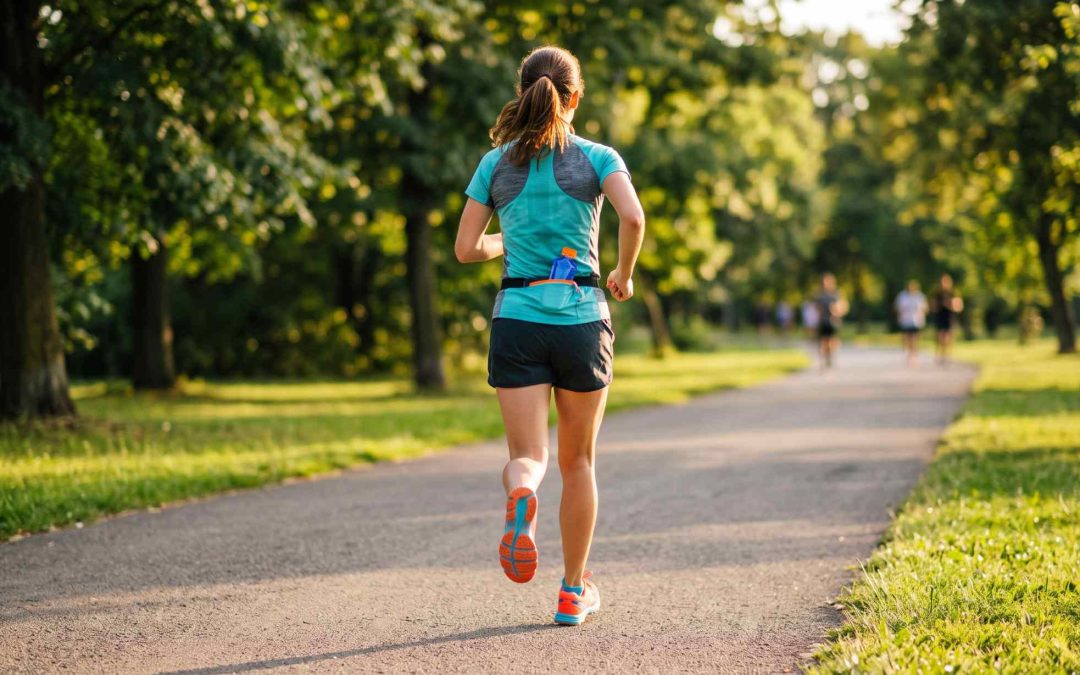
Energy gels provide fast-acting carbohydrates to keep your muscles fueled during long runs. When running for longer than 60 to 75 minutes, your body runs low on stored glycogen. Energy gels refill those stores so you do not crash or hit the wall.
Fueling Rules of Thumb
| Question | The Rule |
| When do I need a gel? | Any run longer than 75 minutes. |
| When should I take the first gel? | 30 to 45 minutes into your run. |
| How often should I take them? | Every 30 to 45 minutes after the first one. |
| How many carbs per hour? | 30g to 60g for most runners (up to 90g for marathons). |
| What do I take them with? | Water only—never sports drinks. |
How to Take Energy Gels Without Upsetting Your Stomach
Stomach cramps and GI distress are the most common issues with energy gels. You can prevent them by following three simple rules:
- Always drink water with your gel. Gels are concentrated sugar. Drinking water helps your stomach absorb the carbs.
- Never mix gels with sports drinks. Taking a gel with a sugary drink floods your stomach with too much sugar at once, causing cramps and nausea.
- Train your gut in practice. Never try a new gel on race day. Use your training runs to find out which brand and flavor your stomach tolerates best.
The 4 Main Types of Energy Gels
Different gels use different formulas to deliver carbohydrates. Choosing the right type depends on your stomach sensitivity and personal preference.
Hydrogel
- Popular Brand: Maurten
- How it works: Uses alginate and pectin to encapsulate carbs, allowing them to pass through the stomach into the intestines without causing irritation.
- Best for: Runners who regularly get stomach cramps from standard gels.
Isotonic Gels
- Popular Brand: Science in Sport (SiS)
- How it works: Formulated with the right ratio of water to carbohydrates so you can swallow them without drinking extra water.
- Best for: Races where water stations are far apart.
Standard Maltodextrin Gels
- Popular Brands: GU Energy, PowerBar
- How it works: Combines maltodextrin and simple sugars for quick absorption and a fast energy boost.
- Best for: Budget-conscious runners with reliable stomachs.
Whole-Food Gels
- Popular Brands: Huma, UnTapped
- How it works: Made from real food ingredients like chia seeds, real fruit, or pure maple syrup.
- Best for: Runners who prefer natural ingredients over synthetic syrups.
Frequently Asked Questions
Do I need energy gels for a 5K or 10K?
No. Your body has enough stored glycogen to fuel high-intensity efforts lasting under 60 minutes. Gels will not make you faster in short races and can cause unnecessary stomach sloshing.
What is the difference between caffeine and non-caffeine gels?
Caffeinated gels give you a mental boost and lower your perception of effort. Take non-caffeinated gels early in a race, and save a caffeinated gel for the final 6 to 8 miles when mental fatigue sets in.
How many gels do I need for a full marathon?
Most runners need between 5 and 7 gels for a marathon, depending on their finish time and target hourly carbohydrate intake.
What should I do if a gel gives me an upset stomach during a race?
Switch immediately to plain water at the next aid station. Slow your pace slightly to let your body divert blood flow back to your digestive tract to clear the stomach.
Visit Peak Performance in Sioux City to stock up on single-serving gels, explore top nutrition brands, and get personalized advice for your next race.
Peak Performance Fitness Gear
4501 Southern Hills Dr. Ste 19
Sioux City, Iowa 51106
(712) 276-8087