
Peak Performance Fitness Equipment
Elevate Your Fitness at Peak Performance
Welcome to the Fitness Equipment realm of Peak Performance, where innovation, quality, and convenience converge to transform your fitness journey. As Siouxland’s premier fitness destination, we are dedicated to providing you with a comprehensive range of top-tier exercise equipment that empowers you to achieve your fitness goals, all from the comfort of your own home. Let’s dive into a world of cutting-edge equipment and unrivaled expertise.
Cardiovascular Excellence
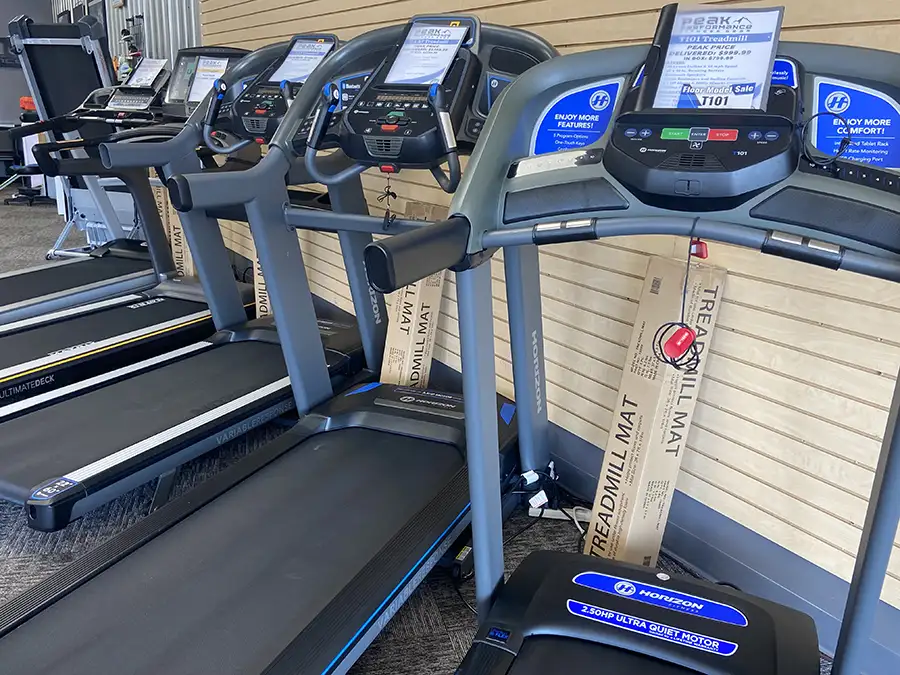
Treadmills: Discover the epitome of cardiovascular training with our range of elite treadmills. No matter the weather outside, you can embark on a journey of heart-pounding strides, brisk walks, or intense sprints within the cozy confines of your home. Our treadmill collection boasts state-of-the-art technology and cushioning systems to minimize impact, ensuring a comfortable yet invigorating workout.
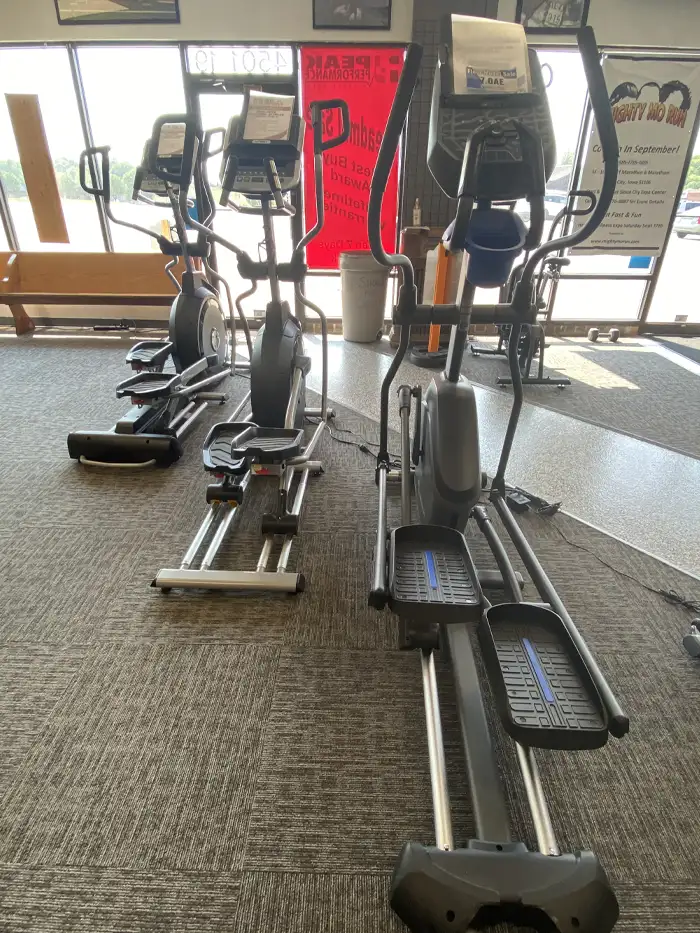
Ellipticals: Elevate your fitness with ellipticals that redefine low-impact cardio. Experience the fluid motion that engages multiple muscle groups while being gentle on your joints. From beginners to seasoned athletes, our ellipticals offer a versatile and effective workout solution for everyone.
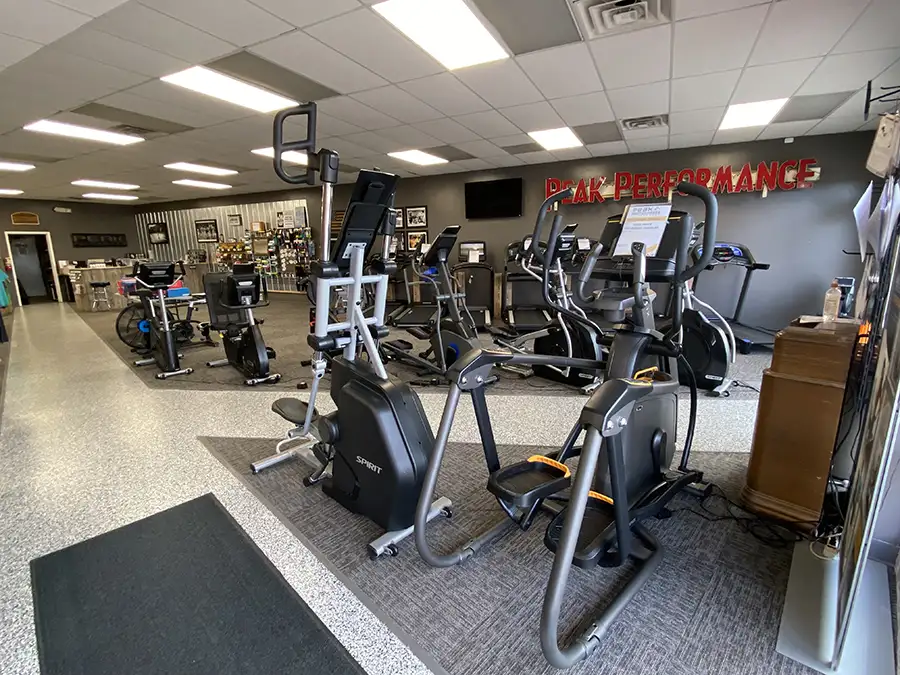
Cardio Stryders: Immerse yourself in the world of dynamic workouts with our cardio stryders. Emulating the motions of skiing, these machines provide a unique full-body challenge that enhances your cardiovascular endurance while sculpting your physique.
Sculpt and Strengthen
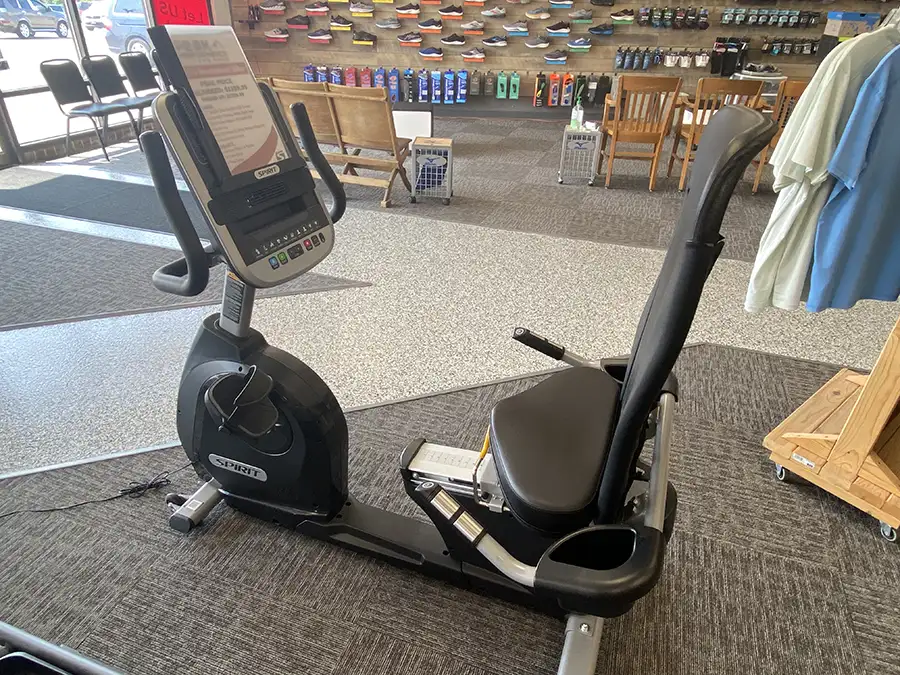
Exercise Bikes: Pedal towards strength and endurance with our selection of exercise bikes. Whether you opt for a stationary or recumbent design, our exercise bikes deliver a powerful lower body workout while also boosting cardiovascular fitness.
Weight Equipment: Ignite your potential with our range of weight equipment. From free weights to resistance machines, we offer a variety of options that cater to every level of fitness. Sculpt, tone, and build muscle in the comfort of your own fitness haven.
Equipment Grades: Personal Use vs. Commercial
We supply equipment for every need, but it’s crucial to understand the difference between Personal Use (Residential) and Commercial Use grades. The structural design, motor capacity, and warranty are fundamentally different between the two.
Personal Use Equipment
Residential equipment is engineered for the demands of one to two users over several hours per week. These machines prioritize size, aesthetics, and features like folding frames for home convenience. When you purchase residential equipment from Peak Performance, you’re investing in durable machinery that is perfect for your home gym, backed by a free local in-home delivery service and competitive home warranties.
Commercial Grade Equipment
For multi-user environments—such as schools, apartment complexes, corporate gyms, or hotels—commercial-grade equipment is the only suitable choice. These machines are built with heavy-duty steel, more powerful motors (e.g., 5.0 CHP vs. 3.0 CHP), and superior components designed to withstand 40+ hours of continuous, rigorous use per week. Commercial warranties are extended and essential for these high-traffic environments, ensuring maximum uptime and long-term return on investment (ROI). Our team specializes in consulting with Siouxland businesses to ensure you select the correct commercial equipment grade, providing both planning and installation support.
Embracing Your Fitness Journey with Peak Performance
Uncompromising Quality: At Peak Performance, we curate the latest technological marvels from renowned fitness brands such as Life Fitness, Spirit Fitness, Inspire, Matrix, Vision, Horizon, Body-Solid, and more. This expansive selection ensures that no matter your age or skill level, you’ll find equipment that suits your unique needs.
Expertly Curated: Our team of passionate fitness enthusiasts is dedicated to sourcing equipment that truly delivers on its promises. Every piece of equipment you find at Peak Performance has been meticulously tested and approved by our experts.
In-Home Delivery and Competitive Warranties: We believe in providing a seamless shopping experience. Benefit from our free local in-home delivery service and enjoy competitive warranties that safeguard your investment. Your satisfaction and peace of mind are our top priorities.
Your Fitness Oasis Awaits
Discover More: Our locally owned fitness store thrives on constant evolution. Every visit unveils new and exciting equipment that can propel your fitness journey to new heights. Step into our store today to experience the latest innovations or reach out via phone or email to explore our current inventory.
Peak Performance Fitness Gear isn’t just a store – it’s a commitment to your fitness aspirations. Elevate your workout routine, embrace innovation, and sculpt a stronger, healthier version of yourself with our top-of-the-line fitness equipment. Your fitness journey starts and thrives at Peak Performance.
Fitness Equipment FAQs
What features should I look for in a treadmill for home use?
When you’re considering a treadmill for home use, we at Peak Performance Fitness Gear recommend focusing on several key features that align with your fitness goals and the practicalities of your home environment. Firstly, think about the size of the treadmill and whether it has a foldable design for easy storage, especially if space is a premium in your home.
Motor strength is vital—look for a treadmill with a durable motor that can handle your workout routine. A motor with at least 2.5 continuous horsepower (CHP) is ideal for regular use. The belt size is also important; for running, a belt that is at least 20 inches wide and 55 inches long is recommended to accommodate your stride comfortably.
Another feature to consider is the cushioning of the treadmill deck, which reduces the impact on your joints during a workout. Look for a model that provides adjustable cushioning to tailor the feel of your run to mimic outdoor conditions or provide extra support.
Additionally, consider the incline range, which can add variety and challenge to your workouts, simulating uphill routes. A treadmill that offers an incline range up to 10% or 15% is beneficial for most users, though some models offer even steeper inclines.
The speed range should suit your fitness level and goals, with most home treadmills offering a top speed of 10 to 12 mph, which is sufficient for most runners.
Look for a treadmill with an intuitive, user-friendly console that displays essential metrics like time, distance, speed, and calories burned. Modern treadmills often come with built-in workout programs and connectivity features, such as Bluetooth and Wi-Fi, allowing you to track your progress or enjoy entertainment options during your workout.
Lastly, consider the warranty and customer service support of the treadmill. A good warranty can provide peace of mind, covering the motor, frame, and other components for several years.
At Peak Performance Fitness Gear, we pride ourselves on offering a selection of treadmills that meet these criteria, ensuring that you can find the perfect model to support your fitness journey from the comfort of your home.
How do elliptical trainers differ from treadmills in terms of workout impact?
Elliptical trainers and treadmills both offer excellent cardiovascular workouts, but they differ significantly in terms of workout impact, targeting different muscle groups and catering to various fitness needs and preferences.
One of the most significant differences lies in the impact on your joints. Elliptical trainers are designed to provide a low-impact workout, making them a gentler option for individuals with joint issues or those recovering from injuries. The motion of an elliptical mimics natural walking or running movements but without the harsh impact of your feet hitting the treadmill belt or ground. This reduces stress on your knees, hips, and back.
In contrast, treadmills tend to offer a higher-impact workout. Running or walking on a treadmill involves direct contact with the surface, which, despite modern treadmills being equipped with cushioning systems to reduce impact, still exerts more force on your joints compared to ellipticals. However, this higher impact is beneficial for building bone density.
Elliptical trainers also typically allow for upper body engagement during the workout, with moving handles that push and pull as you move your legs. This provides a more full-body workout, engaging arms, chest, back, and leg muscles simultaneously. Treadmills focus primarily on the lower body, although incline settings can help to increase the intensity and engage more muscle groups.
Another difference is in the workout variety and intensity. While both machines offer variable resistance levels and incline options (in the case of treadmills), the elliptical can also allow for reverse stride movements, enabling you to engage different muscle groups and add variety to your workouts. Treadmills are excellent for simulating outdoor running or walking, with the ability to adjust speed and incline to mimic natural terrains.
Ultimately, the choice between an elliptical trainer and a treadmill should be based on your personal fitness goals, physical condition, and preferences. At Peak Performance Fitness Gear, we understand that every fitness journey is unique. Whether you’re seeking a low-impact workout to protect your joints, or you’re training for a marathon and need the high-impact, bone-strengthening benefits of a treadmill, we’re here to help you select the perfect equipment to meet your needs.
Can cardio stryders provide a full-body workout?
Absolutely, cardio stryders can indeed provide a full-body workout. Unlike traditional ellipticals, cardio stryders are engineered to engage more muscle groups across your entire body, not just the lower half. This is because they incorporate arm movements along with leg motion, allowing for a synchronized upper and lower body exercise that increases heart rate and calorie burn efficiently.
The unique design of cardio stryders facilitates a more dynamic range of motion. For instance, you can push and pull the handles to activate your chest, back, shoulders, and arms, while simultaneously working the legs through striding motions. This comprehensive activity ensures that you’re not just getting a cardiovascular workout but also strengthening and toning muscles throughout your body.
Moreover, cardio stryders often feature adjustable resistance levels, enabling you to customize the intensity of your workout. This adaptability means you can challenge yourself as your fitness level improves, making it suitable for both beginners and advanced users. Additionally, the varying resistance can help mimic the experience of cross-country skiing, offering a low-impact alternative that is easier on the joints compared to running or jogging.
Incorporating a cardio stryder into your fitness routine can also enhance your core stability and balance. The act of coordinating your arm and leg movements requires engagement from your abdominal and lower back muscles, effectively working your core without needing separate exercises.
At Peak Performance Fitness Gear, we recommend cardio stryders to anyone looking for a versatile and efficient way to improve their cardiovascular health, increase muscle tone, and enhance overall fitness. They are a fantastic choice for those who want the benefits of a full-body workout in a single, space-efficient piece of equipment.
What are the benefits of using an exercise bike over outdoor cycling?
Using an exercise bike offers several unique benefits compared to outdoor cycling, making it an excellent choice for many individuals, whether you’re a fitness enthusiast or someone looking to start their fitness journey. At Peak Performance Fitness Gear, we’ve seen firsthand how exercise bikes can transform workouts and offer convenience, safety, and effectiveness. Here are some key advantages:
Consistency and Convenience: One of the primary benefits of using an exercise bike is the ability to train consistently, regardless of weather conditions. Rain, snow, or extreme heat can disrupt outdoor cycling routines, but an exercise bike allows you to exercise in the comfort and safety of your own home at any time.
Controlled Environment: Exercise bikes provide a controlled environment for your workouts. You can easily adjust the resistance, speed, and duration to match your fitness level and goals. This makes it easier to track progress and apply specific training techniques like interval training or heart rate training, which can be harder to manage outdoors due to varying terrains and conditions.
Safety: Cycling outdoors comes with risks, such as traffic, road hazards, and the potential for accidents. An exercise bike eliminates these concerns, offering a safer option for exercising, especially for those uncomfortable with or unable to navigate outdoor cycling environments.
Focus on Fitness: Without the need to navigate traffic, stop at intersections, or deal with the unpredictability of outdoor terrains, you can focus entirely on your workout. This means you can maintain a consistent pace, work on your form, and concentrate on your effort level, leading to potentially better workout outcomes.
Low Impact: Exercise bikes provide a low-impact form of exercise, which is easier on your joints compared to running or outdoor cycling on hard surfaces. This makes it an ideal choice for individuals with joint concerns, those recovering from injury, or anyone looking to reduce the risk of impact-related injuries.
Versatility: Modern exercise bikes come with a range of features such as built-in workout programs, heart rate monitors, and even virtual cycling experiences that can simulate different terrains and environments. This variety can keep your workouts engaging and challenging, helping to prevent boredom and encourage long-term exercise adherence.
Fitness for All Levels: Exercise bikes are suitable for people of all fitness levels, from beginners to advanced athletes. The ability to adjust resistance levels means that you can start where you’re comfortable and gradually increase the intensity as your fitness improves.
At Peak Performance Fitness Gear, we understand the importance of finding the right exercise equipment that fits your lifestyle, fitness goals, and space. An exercise bike can be a valuable tool in your fitness arsenal, providing you with a safe, convenient, and effective way to improve your cardiovascular health, build endurance, and achieve your fitness goals.
How can I choose the right weight equipment for my home gym?
Choosing the right weight equipment for your home gym is a critical step towards achieving your fitness goals. At Peak Performance Fitness Gear, we believe in tailoring your home gym to your unique needs, preferences, and available space. Here’s how you can make the best choices:
Assess Your Fitness Goals: Start by defining what you aim to achieve with your workout routine. Are you looking to build muscle, increase strength, improve endurance, or perhaps a combination of these? Your goals will significantly influence the type of weight equipment that’s best suited for you.
Consider Your Space: Evaluate the space you have available for your home gym. The amount of space can dictate the size and amount of equipment you can accommodate. Free weights like dumbbells and kettlebells are great for tight spaces, while larger equipment such as squat racks and weight benches require more room.
Think About Versatility: Opt for equipment that offers versatility to perform various exercises. Adjustable weight benches, power racks, and dumbbells with adjustable weights can provide a wide range of workout options without taking up too much space.
Quality Over Quantity: It’s better to invest in a few pieces of high-quality equipment that will last and offer better safety and functionality than to fill your gym with cheaper, lower-quality items. Look for reputable brands and durable materials that can withstand regular use.
Budget: Determine your budget beforehand. High-quality weight equipment can be an investment, but remember that with fitness equipment, you often get what you pay for in terms of durability and performance. However, you can also find good deals on used equipment in excellent condition.
Research and Reviews: Before making a purchase, do your research. Read product reviews, watch tutorials, and perhaps even try out equipment at a local gym or retail store if possible. Getting a feel for the equipment and learning from the experiences of others can help you make informed decisions.
Safety Features: Safety should always be a priority, especially when working out at home without a spotter. Look for equipment with built-in safety features, such as secure locking mechanisms on adjustable dumbbells, safety catches on squat racks, and non-slip surfaces.
Growth and Progression: Consider your long-term fitness journey. Choose equipment that can grow with you as your strength and skills develop. Adjustable weights, expandable home gym systems, and equipment that offers various levels of difficulty can accommodate your evolving fitness needs.
At Peak Performance Fitness Gear, our experts are committed to helping you select the right weight equipment for your home gym. We believe that the right equipment is key to maximizing your workout efficiency, safety, and enjoyment. Visit us in-store or online to explore our curated selection of weight equipment designed to suit a wide range of fitness levels and spaces.
What maintenance is required for fitness equipment like treadmills and ellipticals?
Maintaining your fitness equipment like treadmills and ellipticals is crucial for ensuring their longevity, safety, and effectiveness. At Peak Performance Fitness Gear, we recommend a routine maintenance schedule that includes the following steps:
For Treadmills:
- Cleanliness: Keep the belt and area around the treadmill clean and dust-free. Use a soft, damp cloth to wipe down the machine after each use to prevent dust and sweat from building up.
- Belt Alignment and Tension: Check the alignment and tension of the belt regularly. A belt that’s too tight can strain the motor, while a loose belt might slip. Refer to your treadmill’s manual for instructions on how to adjust it.
- Lubrication: The treadmill belt requires periodic lubrication to ensure smooth movement and reduce wear on the motor and belt. The frequency depends on usage and model, so consult your owner’s manual for specific recommendations.
- Inspect for Wear and Tear: Regularly inspect the belt for signs of wear, cracks, or fraying. Also, listen for any unusual noises during operation, as these can indicate internal issues.
For Ellipticals:
- Clean Gears and Wheels: Like treadmills, ellipticals should be kept clean. Pay special attention to the gears, wheels, and track to remove any dust and debris that could cause friction or grinding noises.
- Check the Screws and Bolts: Vibrations from regular use can loosen screws and bolts over time. Periodically check and tighten them to ensure the machine’s stability and safety.
- Lubricate Moving Parts: Some ellipticals require lubrication of their moving parts to maintain smooth operation. Check your user manual to see if and how lubrication should be performed on your model.
- Monitor for Electrical Issues: For ellipticals with digital displays or electronic resistance controls, keep an eye out for any malfunctions or irregularities. Ensure that the power supply and connections are secure and undamaged.
General Tips for All Equipment:
- Power Off When Not in Use: To conserve energy and reduce wear on electrical components, turn off the equipment completely after each use.
- Professional Inspection: Consider having your equipment professionally inspected once a year, especially if it’s heavily used. This can help identify potential issues before they become major problems.
By adhering to these maintenance tips, you can significantly extend the life of your fitness equipment, ensuring it remains safe, effective, and ready to support your fitness journey. Remember, the specific maintenance requirements can vary between different models and brands, so always consult your equipment’s user manual for detailed instructions.
How do I adjust a treadmill for interval training workouts?
Adjusting a treadmill for interval training workouts can significantly boost your cardiovascular fitness, burn more calories, and increase your endurance. At Peak Performance Fitness Gear, we recommend following these steps to set up your treadmill for an effective interval training session:
- Familiarize Yourself with Your Treadmill: Start by getting to know the features of your treadmill. Many modern treadmills come with pre-set interval training programs. These programs automatically adjust the speed and incline for you, making it easy to jump straight into a workout.
- Manual Setup for Interval Training: If you prefer to customize your interval training, you can manually set up your workout. Begin by planning the structure of your intervals. A common format is the 1:2 ratio, where you sprint for 1 minute and then walk or jog at a lower intensity for 2 minutes. However, you can adjust these times based on your fitness level and goals.
- Starting Your Workout:
- Warm-Up: Start with a 5 to 10-minute warm-up at a slow pace to get your muscles ready and your heart rate up.
- High-Intensity Intervals: After warming up, increase the treadmill’s speed to a sprint pace. This should be challenging but sustainable for the duration of your high-intensity interval (e.g., 1 minute).
- Low-Intensity Intervals: Following the sprint, reduce the speed to a walking or jogging pace for your recovery interval (e.g., 2 minutes).
- Adjusting Speed and Incline: To keep your workouts challenging, vary the speed and incline. Adding incline to your sprints can intensify your workout, simulating uphill running. Just be sure to adjust these settings during your low-intensity intervals to give yourself time to adapt to the changes.
- Cool Down: End your session with a 5 to 10-minute cool down at a slow pace. This helps your heart rate return to normal and can reduce muscle stiffness.
- Stay Hydrated and Monitor Your Progress: Always have water nearby to stay hydrated throughout your workout, and use your treadmill’s heart rate monitor, if available, to stay within your target heart rate zones.
Remember, the key to effective interval training is in the intensity. The high-intensity intervals should push you out of your comfort zone, while the low-intensity intervals allow for recovery. As you progress, you can gradually increase the duration of the high-intensity intervals or add more incline to keep challenging yourself.
What safety features should I consider when purchasing exercise equipment?
When purchasing exercise equipment, considering safety features is crucial to ensure a safe workout environment, especially when the equipment will be used in a home setting where professional supervision is limited. Here are some safety features to consider:
Emergency Stop Mechanism: Many types of cardiovascular equipment, like treadmills and stationary bikes, come with an emergency stop feature. For treadmills, this is often a clip that attaches to your clothing and automatically stops the machine if you fall or drift too far back. Make sure the equipment you choose has a reliable and easily accessible emergency stop mechanism.
Stability and Sturdiness: The equipment should feel stable and sturdy during use, without any wobbling or shaking, regardless of the intensity of the workout. This is particularly important for weight benches, ellipticals, and stationary bikes. Checking user reviews and product specifications can help you gauge the stability of the equipment.
Non-Slip Surfaces: Look for equipment with non-slip surfaces on handles and foot pedals. This feature is critical to prevent accidental slips and falls, especially during intense workouts or when using the equipment with sweaty hands or feet.
Safety Locks and Guards: Weight machines should have safety locks to secure weight plates or pins when they’re not in use, preventing accidental release or movement of heavy weights. Equipment with moving parts, like folding treadmills or adjustable weight benches, should have safety locks or pins to secure them in both the open and closed positions.
Clear Safety Instructions: Good quality exercise equipment will come with clear, comprehensive safety instructions and recommendations for use. This includes maximum weight capacities, age recommendations, and specific safety warnings. Reading and adhering to these instructions can prevent accidents and injuries.
Electrical Safety: If the equipment is electrically powered, ensure it has proper safety certifications for its electrical components. Look for equipment that features surge protectors and grounded plugs to prevent electrical accidents.
Rounded Edges and Padding: Equipment should have rounded edges and sufficient padding where necessary to minimize the risk of injury from sharp corners or hard surfaces, especially in equipment that involves a lot of movement or contact, such as benches and strength training machines.
Child Safety Features: If children are present in the home, consider equipment with child safety locks or features that prevent the equipment from being accidentally turned on.
By prioritizing these safety features when purchasing your exercise equipment, you can create a safer workout environment that minimizes the risk of injury for you and your family. At Peak Performance Fitness Gear, we’re dedicated to helping you find the safest, most reliable equipment for your home gym, ensuring you can focus on achieving your fitness goals with peace of mind.
How does the resistance feature on an elliptical affect my workout?
The resistance feature on an elliptical is a key component that significantly affects the intensity and effectiveness of your workout. By adjusting the resistance level, you’re essentially controlling how hard your muscles need to work to push and pull through each stride. This adjustment can have several important implications for your fitness routine:
- Increased Calorie Burn: Higher resistance levels require more effort to maintain the same pace, leading to an increase in the number of calories burned during a workout. This can be particularly beneficial if you’re looking to lose weight or improve your cardiovascular fitness.
- Muscle Toning and Strength: Working against greater resistance engages your muscles more intensely, which can help in toning and strengthening. The elliptical targets multiple muscle groups including the quads, hamstrings, glutes, and calves in the lower body, as well as the chest, back, and arms if it has moving handles. Adjusting the resistance can help you focus on these areas more deeply.
- Versatility in Workouts: The ability to change resistance levels allows you to vary your workout routine on the elliptical, preventing boredom and promoting muscle confusion, which can lead to better fitness gains. You can simulate different types of workouts, from light cruising to challenging hill climbs.
- Customization to Fitness Levels: Whether you’re a beginner or an experienced athlete, the resistance feature enables you to tailor the difficulty of your workout to your current fitness level. It allows for gradual increases in intensity as your endurance and strength improve, making it an effective tool for long-term fitness development.
- Improved Cardiovascular Health: Using higher resistance levels can increase your heart rate, making your heart work harder and improving cardiovascular health over time. It’s an efficient way to boost your heart’s endurance and overall function.
Remember, while higher resistance can enhance your workout, it’s important to increase the level gradually to avoid overexertion or injury. Always listen to your body and adjust the resistance to a level that’s challenging yet sustainable for the duration of your workout.
Can I use cardio stryders for HIIT (High-Intensity Interval Training)?
Yes, cardio stryders are an excellent choice for High-Intensity Interval Training (HIIT). Their design allows for both low-impact exercises and the ability to ramp up to high-intensity levels, making them perfect for the short bursts of intense effort followed by recovery periods that characterize HIIT workouts. Here’s why cardio stryders are suitable for HIIT:
Versatility and Intensity: Cardio stryders offer a range of resistance levels and sometimes incline options, allowing you to easily switch between high-intensity and low-intensity intervals. This versatility is essential for HIIT, which relies on pushing your body to its limits in short bursts.
Full-body Engagement: Many cardio stryders come with moving handlebars or arms, enabling a full-body workout. This means you can simultaneously engage upper and lower body muscle groups during your HIIT sessions, increasing the efficiency of your workout and burning more calories.
Low Impact: HIIT can be demanding on your joints, especially with exercises like sprinting or jumping. Cardio stryders provide a low-impact alternative that minimizes the risk of injury, making HIIT accessible to people with joint concerns or those recovering from injuries.
Customizable Workouts: The flexibility to customize your workout intensity on a cardio stryder is crucial for HIIT. You can adjust the resistance and speed to suit your fitness level and goals, ensuring that you’re always working at the optimal intensity for interval training.
Cardiovascular and Muscular Benefits: The combination of high and low-intensity intervals in HIIT helps improve both cardiovascular health and muscular endurance. Using a cardio stryder for HIIT workouts can enhance your heart health, increase calorie burn, and build muscle strength over time.
To get the most out of your HIIT workouts on a cardio stryder, start with a warm-up at a moderate pace, then alternate between periods of high-intensity effort and recovery intervals. For example, you might do 30 seconds of intense striding at high resistance followed by 1 minute of lower-intensity striding at a reduced resistance. Repeat this cycle for the duration of your workout, followed by a cool-down period.
What’s the difference between a spinning bike and a traditional exercise bike?
Spinning bikes and traditional exercise bikes serve similar purposes but are designed with different features and intended uses that affect the workout experience. Spinning bikes, also known as indoor cycling bikes, are designed to mimic the experience and posture of riding a road bicycle. They typically feature a heavy, weighted flywheel that is directly connected to the pedals through a transmission system, which means the pedals keep moving as long as the flywheel is spinning, closely replicating the momentum and resistance experienced on an outdoor road bike. This design encourages a more intense workout, often with the user standing up on the pedals, which is common in spinning classes and offers a high-intensity cardiovascular workout.
Traditional exercise bikes, which include upright and recumbent bikes, are designed more for comfort and less intense cardiovascular workouts. Upright bikes resemble a regular road bike but with a more comfortable seat and the pedals positioned directly below the body. Recumbent bikes offer the most comfort with a laid-back reclining position, supporting the back and distributing the rider’s weight over a larger area. The resistance mechanism in traditional exercise bikes can be magnetic, air, or flywheel-based, but the key difference lies in how the resistance is applied and adjusted, typically allowing for smoother transitions and less direct correlation between the pedal and resistance mechanism compared to spinning bikes.
Spinning bikes are generally better suited for those seeking high-energy, intensive training sessions that simulate outdoor cycling experiences, including training for races or enjoying a challenging cardiovascular workout. Traditional exercise bikes are more suited for individuals looking for a more comfortable, low-impact workout that can still offer excellent cardiovascular benefits, muscle toning, and calorie burning, but with a focus on ease of use and comfort, especially suitable for those with joint issues or recovering from injuries.
How to effectively use weight equipment to increase muscle mass?
Effectively using weight equipment to increase muscle mass involves a strategic approach that includes progressive overload, consistency, proper form, and a balanced diet. Here’s how you can maximize muscle gains with weight training:
Progressive Overload: The cornerstone of building muscle mass is progressively overloading your muscles, which means gradually increasing the weight, frequency, or number of repetitions in your strength training routine. As your muscles adapt to the workload, you should aim to increase the challenge to continue building muscle. This could mean adding more weight to your lifts, increasing the number of sets or reps, or incorporating more complex exercises as you progress.
Focus on Compound Movements: Incorporate compound exercises that work multiple muscle groups at the same time, such as squats, deadlifts, bench presses, and pull-ups. These movements are more efficient for building muscle because they allow you to lift heavier weights and stimulate several muscle groups simultaneously.
Proper Form: Emphasizing proper form is crucial, not only for preventing injuries but also for maximizing muscle growth. Each exercise should be performed with a focus on the muscle groups it is intended to target, ensuring that movements are controlled and deliberate. This may sometimes mean lowering the weight to maintain the correct form.
Recovery and Rest: Muscles grow during periods of rest, not during the workouts themselves. Ensure you are giving your body adequate time to recover between workouts. This includes getting enough sleep and allowing specific muscle groups to rest for 48 to 72 hours before targeting them again with intense workouts.
Nutrition: Diet plays a significant role in muscle building. Consuming enough protein is essential for muscle repair and growth, and your overall caloric intake should support your training demands. Incorporating a diet rich in whole foods, lean proteins, healthy fats, and carbohydrates can support your body’s recovery and provide the energy needed for intense workouts.
Consistency: Building muscle mass is a gradual process that requires consistent effort over time. Stick to your training schedule, and be patient with your progress. Regularly adjusting your workout plan to include a variety of exercises can also help prevent plateaus in muscle growth.
Stay Hydrated: Adequate hydration is essential for optimal performance during your workouts and recovery afterward. Water supports metabolic functions and nutrient transfer within the body, helping to repair and build new muscle tissue.
Incorporating these strategies into your use of weight equipment can lead to effective muscle mass increase. Remember, individual results can vary based on genetics, training intensity, consistency, diet, and rest. Consulting with a fitness professional can also provide personalized guidance tailored to your specific goals and needs.
What are the space requirements for setting up home gym equipment?
The space requirements for setting up home gym equipment can vary widely depending on the types of equipment you plan to include and your fitness goals. Generally, for smaller items like yoga mats, dumbbells, and resistance bands, a clear area of about 10 to 50 square feet should suffice, allowing you to move freely without restriction. This space should be away from furniture or other obstacles that could pose a risk during workouts.
For larger equipment like treadmills, ellipticals, or stationary bikes, you’ll need to consider not just the footprint of the equipment itself but also additional space around it for safe use and access. A good rule of thumb is to add at least two feet of clearance on all sides of the machine. Thus, for a piece of equipment that is 2 feet wide by 6 feet long, you’d want an area that’s at least 6 by 10 feet.
Weight benches and home gym systems require more space, not only for the equipment but also for proper range of motion during exercises. A space of approximately 100 to 200 square feet is recommended for a small home gym that includes a multi-use gym machine, a bench, and some free weights.
Ceiling height is another important consideration, especially for multi-gym systems, free weights, and any exercises that involve jumping or overhead lifting. A minimum ceiling height of 8 feet is recommended to accommodate most exercises comfortably, but more height may be necessary for specific activities or equipment.
Finally, consider the flooring in your home gym area. Proper flooring, such as rubber mats or interlocking foam tiles, can provide stability, reduce noise, and help prevent injury. The type of flooring may also affect the total space required, as you’ll want to ensure the entire workout area is adequately covered.
When planning your home gym, it’s important to measure your available space carefully and consider both current and future fitness needs. This can help prevent overcrowding and ensure a safe, effective workout environment. Remember, the quality of your workouts can be significantly impacted by the layout and functionality of your space, so take the time to plan and organize your home gym thoughtfully.
Are there fitness equipment options suitable for seniors?
Yes, there are several fitness equipment options that are particularly suitable for seniors, focusing on safety, low impact, and ease of use to encourage regular physical activity while minimizing the risk of injury. Equipment that is often recommended for seniors includes:
- Recumbent Bikes: These bikes offer a comfortable seating position, which is easier on the lower back and safer for those with balance issues. The recumbent position also reduces the strain on the joints and allows for a more comfortable exercise session, making it ideal for seniors looking to improve cardiovascular health.
- Elliptical Machines: Ellipticals provide a low-impact cardiovascular workout that mimics the natural movement of running or walking but without the stress on the joints. Some models come with handles to also engage the upper body, offering a full-body workout that can be easily adjusted to suit fitness levels.
- Walking Treadmills: Treadmills designed for walking offer a controlled and safe environment for seniors to improve their cardiovascular health. Features like handrails, emergency stop mechanisms, and cushioned decks enhance safety and comfort. Walking treadmills typically have lower maximum speeds and are often more compact.
- Resistance Bands: Lightweight and versatile, resistance bands are excellent for strength training and flexibility exercises. They come in various resistance levels, allowing seniors to gradually increase the intensity of their workouts. Resistance bands are also easy to store and perfect for home use.
- Seated Ellipticals: These machines combine the benefits of pedal exercisers and ellipticals, allowing seniors to get a low-impact cardiovascular workout from a seated position. This is particularly beneficial for those with mobility issues or for seniors who find standing for long periods challenging.
- Balance Trainers: Balance is crucial for preventing falls, a common concern among older adults. Equipment like stability balls, balance cushions, or Tai Chi balls can help improve balance and core strength in a safe, controlled way.
When choosing fitness equipment, seniors should consider their current fitness level, any existing health conditions, and personal preferences. Consulting with a healthcare provider or a fitness professional can also provide valuable guidance in selecting the most appropriate equipment to meet individual health and fitness goals. Additionally, many modern fitness devices come with features that make them more accessible to seniors, such as easy-to-read displays, simple controls, and comfortable seating or handgrips, making it easier for seniors to maintain an active lifestyle safely.
How do I choose between a front-drive and rear-drive elliptical?
Choosing between a front-drive and rear-drive elliptical involves considering several factors, including space, workout style, impact on joints, noise, and budget. Here’s a comprehensive overview to help you make an informed decision:
Space Considerations: Rear-drive ellipticals tend to have a smaller footprint, making them suitable for home gyms with limited space. In contrast, front-drive models are usually bulkier and may be better suited for commercial gyms or homes with more space.
Workout Experience: Rear-drive ellipticals typically offer a flatter, more natural stride that mimics walking or running on a flat surface, which many find comfortable and easier on the joints. Front-drive ellipticals, with the flywheel positioned at the front, can create a sensation similar to walking uphill, potentially providing a more intense workout with varying incline levels.
Impact on Joints: Front-drive ellipticals might have a slightly higher impact on joints due to their natural incline, while rear-drive ellipticals are known for their lower impact, benefiting those with joint concerns or preferring a smoother exercise experience.
Noise and Maintenance: Rear-drive ellipticals generally produce less noise and require less maintenance, thanks to their simpler design with fewer moving parts. Front-drive machines, on the other hand, may require more upkeep due to more components that could need attention over time.
Budget Considerations: If budget is a concern, rear-drive ellipticals might offer a more cost-effective option. However, the price can vary widely based on features, brand, and whether you’re opting for a model designed for home use or a commercial-grade machine.
Ultimately, the choice between a front-drive and rear-drive elliptical comes down to personal preference, fitness goals, and practical considerations like space and budget. If incline variety and a compact design are priorities, a front-drive elliptical might suit you better. However, if you prefer a more natural stride and lower maintenance, a rear-drive model could be the way to go. Regardless of the type, both offer effective low-impact cardiovascular workouts suitable for a wide range of fitness levels.
What is the lifespan of high-quality fitness equipment?
The lifespan of high-quality fitness equipment varies by type but generally falls within these ranges: treadmills last about 7 to 12 years, ellipticals and exercise bikes can last up to 20 years, and barbells and weights may last a lifetime. Regular maintenance is crucial to extend the life of your equipment, with dusting and wiping down after each use recommended to prevent damage from dust and sweat.
Can exercise bikes provide an effective lower body workout?
Yes, exercise bikes can provide an effective lower body workout. They target the quadriceps, hamstrings, calves, and glutes, offering a low-impact cardiovascular exercise that also strengthens these muscle groups. The resistance feature on exercise bikes allows you to adjust the intensity of your workout, further enhancing muscle engagement and strength development. Regular sessions can improve leg muscle tone and endurance, making exercise bikes a valuable tool for lower body fitness.
How to integrate cardio stryders into a weight loss program?
Integrating cardio stryders into a weight loss program involves combining high-intensity interval training (HIIT) with steady-state cardio to maximize fat burning and improve cardiovascular health. Begin with shorter, intense bursts of activity on the stryder, followed by periods of lower intensity, to elevate heart rate and increase calorie burn. Incorporate these workouts 3-4 times a week, complemented by a balanced diet, to create a caloric deficit essential for weight loss. This approach not only aids in shedding pounds but also enhances endurance and muscle tone.
What are the key differences between mechanical and magnetic resistance in exercise bikes?
Mechanical resistance in exercise bikes often involves physical mechanisms, like friction pads, that directly contact the flywheel to create resistance. This type of resistance can be manually adjusted but may require more maintenance due to wear on the pads. Magnetic resistance, on the other hand, uses magnets placed near the flywheel to create resistance without direct contact. This allows for a smoother, quieter ride and typically has less wear and tear, making it more durable. Magnetic resistance can be easily adjusted, often via digital controls, offering precise resistance levels.
How can I simulate outdoor running conditions on a treadmill?
To simulate outdoor running conditions on a treadmill, vary the incline to mimic natural terrain. Start with a 1-2% incline to replicate the resistance of outdoor surfaces. Incorporate interval training with varying speeds and inclines to simulate hills and flat ground. Use pre-set programs that mimic courses or create your own. To enhance realism, focus on maintaining a proper running form and use virtual running apps or videos that display scenic routes, providing a visual and mental simulation of outdoor running
Equipment Workouts and General Fitness Questions
How often should I use treadmill workouts to improve my cardiovascular health?
For improving cardiovascular health, incorporating treadmill workouts into your fitness routine can be highly effective. Here’s a balanced approach to consider:
Frequency of Treadmill Workouts
Aim for at least 150 minutes of moderate-intensity aerobic activity or 75 minutes of vigorous-intensity activity per week, as recommended by major health organizations like the American Heart Association. This could translate to:
- Moderate Intensity: About 30 minutes a day, five days a week. On the treadmill, this could include brisk walking or light jogging.
- Vigorous Intensity: About 25 minutes a day, three days a week. This includes running or high-intensity interval training (HIIT) on the treadmill.
Gradual Progression
Start with what you can handle, especially if you’re new to exercise, and gradually increase your duration and intensity. This helps your cardiovascular system adjust without overwhelming it.
Variety in Workouts
Incorporate different types of treadmill workouts to keep your routine engaging and to challenge different aspects of fitness:
- Steady-State Cardio: Consistent pace for a set period, great for endurance.
- Interval Training: Alternating between high and low intensities to improve heart health and calorie burn.
- Incline Workouts: Walking or running at an incline to increase the intensity and simulate hill training.
Listen to Your Body
Adjust the frequency and intensity based on how your body feels. Overtraining can lead to injuries or burnout, so include rest days to allow your body to recover.
Consistency is Key
Regular exercise contributes more significantly to long-term health benefits, including improved heart health, better cholesterol levels, and reduced risks of chronic diseases.
By following these guidelines, treadmill workouts can effectively enhance your cardiovascular fitness, supporting your overall health and wellness.
What are the best workouts on an elliptical to target fat loss?
Using an elliptical for fat loss can be highly effective, especially when you utilize workouts that increase your heart rate and burn calories efficiently. Here are some of the best elliptical workouts to target fat loss:
1. High-Intensity Interval Training (HIIT)
HIIT on an elliptical is an excellent way to burn fat by alternating short bursts of high-intensity exercise with periods of lower intensity or rest. This method boosts your metabolism and increases fat burning even after you’ve finished your workout. Here’s a simple HIIT routine you could try:
- Warm up for 5-7 minutes at a low resistance.
- Alternate 30 seconds of high-intensity (as fast as you can go at a high resistance) with 1-2 minutes of low-intensity recovery (slow pace at low resistance).
- Repeat for 20-30 minutes.
- Cool down for 5 minutes.
2. Steady-State Cardio
A longer duration workout at a moderate pace, or steady-state cardio, can also help burn fat and is particularly good for building endurance. Keep your heart rate in the fat-burning zone, which is about 70% of your maximum heart rate, for 45-60 minutes on the elliptical.
3. Interval Training
Similar to HIIT but less intense, interval training involves alternating between higher and lower intensities at a more moderate pace which can still effectively promote fat loss. For example:
- Warm up for 5 minutes.
- Switch between medium intensity for 5 minutes and higher intensity for 2 minutes.
- Continue this pattern for 30-40 minutes.
- Cool down for 5 minutes.
4. Incline and Resistance Workouts
Adjusting the incline and resistance on the elliptical can mimic hill climbing, which increases the intensity of the workout and helps burn more calories:
- Start with a moderate incline and resistance for 5 minutes.
- Gradually increase the incline while maintaining or slightly increasing the resistance for 5 minutes.
- Alternate between high incline and moderate incline every 5 minutes for a total of 30 minutes.
- Gradually decrease the incline and resistance for the final 5 minutes to cool down.
5. Cross-Training
Some ellipticals come with movable arm handles that allow for an upper body workout simultaneously. Using these effectively can turn your workout into a full-body exercise that burns more calories and increases fat loss:
- Ensure you’re pushing and pulling the handles vigorously as you work the pedals.
Tips for Maximizing Fat Loss
- Consistency: Regular workouts are key—aim for at least 4-5 days per week.
- Diet and Nutrition: Combine your workouts with a healthy diet that creates a calorie deficit.
- Stay Hydrated: Drink plenty of water before, during, and after workouts.
- Monitor Intensity: Use a heart rate monitor to stay within your ideal fat-burning heart rate zone.
Elliptical machines offer a versatile and joint-friendly way to get effective fat-burning workouts, making them a great choice for anyone looking to lose weight.
How can beginners start using cardio stryders effectively?
Cardio stryders offer a unique workout experience that combines elements from ellipticals, treadmills, and stair climbers, making them an excellent choice for beginners. If you’re new to cardio stryders, begin by getting to know the machine. Familiarize yourself with its settings, features, and safety elements. It’s also important to make any necessary adjustments to ensure the machine is set up for your height and reach, which will help prevent injuries and make your workout more comfortable.
Start each workout session with a proper warm-up. Spend about 5-10 minutes on low-intensity striding to gradually raise your heart rate and loosen your muscles. This is crucial for preventing injuries. As you stride, pay attention to your form. Maintain good posture with your back straight and shoulders back. Keep your feet flat on the pedals and use a light grip on the handles to avoid unnecessary tension in your arms and shoulders.
When you begin your workout, select a resistance level that provides a challenge but is still manageable. The resistance should be enough to increase your heart rate and make you breathe harder without causing excessive fatigue. Over time, as your fitness improves, you can gradually increase the resistance. To maximize your cardiovascular fitness, consider incorporating interval training into your routine once you’re comfortable with the machine. For example, you could do 1 minute of high-intensity striding followed by 2 minutes of low-intensity recovery, repeating this pattern for 20-30 minutes.
Conclude each session with a 5-10 minute cool down at low intensity to help your heart rate return to normal. This also aids in recovery and reduces the risk of muscle stiffness. It’s important to use the cardio stryder regularly—aim for 3-4 times a week—and gradually increase the duration and intensity of your workouts as you become fitter. Also, incorporate a variety of exercises into your routine to keep it interesting and balanced.
Always listen to your body’s signals during and after workouts. While some fatigue is normal, any pain, especially joint pain, indicates that you might be pushing too hard or using incorrect form. Also, make sure to stay hydrated by drinking plenty of water before, during, and after your workouts, and ensure you get adequate rest between workout days to allow your muscles to recover. By following these guidelines, beginners can safely and effectively use cardio stryders to improve their fitness and overall health.
What are effective cycling workouts on exercise bikes for endurance?
Effective cycling workouts on exercise bikes for building endurance focus on prolonged, steady efforts that increase cardiovascular capacity and muscular stamina. A great way to start is by setting up a routine that gradually extends the duration of your workouts while maintaining a consistent intensity level that challenges your endurance without overwhelming your current fitness level.
Begin with a thorough warm-up to prepare your muscles and cardiovascular system for the extended effort. A good warm-up might last about 10 minutes, gradually increasing in intensity to get your blood flowing and muscles ready for exercise. After warming up, transition into the main part of your workout. For endurance training, aim to maintain a moderate pace where you can comfortably hold a conversation. This might look like setting the bike to a moderate resistance level and pedaling at a steady pace for 20-30 minutes as a beginner.
As you progress, increase the duration of your cycling sessions by increments of 5-10 minutes as your stamina allows, working up to 60 minutes or more. It’s important to keep the resistance at a level that provides enough challenge to make your muscles work harder than usual but not so hard that it turns into a high-intensity workout. This type of endurance training is about maintaining a steady effort over a longer period.
Incorporate variety into your training by adding some interval training sessions. For example, after a 10-minute warm-up, alternate between 3 minutes of higher intensity cycling and 3 minutes of recovery pedaling. Repeat these intervals for the total duration of your workout, which can help improve both aerobic and anaerobic endurance. Finish each session with a cool-down period of 5-10 minutes of easy pedaling to help your body recover and reduce the risk of muscle stiffness.
Consistency is key in building endurance, so aim to complete these endurance cycling workouts at least 3-4 times per week. Combine these workouts with adequate hydration, balanced nutrition, and proper rest. This holistic approach not only improves your cycling endurance but also enhances your overall physical fitness and health.
Can using weight equipment at home be as effective as gym workouts?
Using weight equipment at home can indeed be as effective as workouts done in a gym, provided you have the right approach and equipment. The effectiveness of your workouts ultimately depends on how you use your equipment, the variety of exercises you perform, and your commitment to your fitness goals.
At home, you have the convenience of working out anytime without the need to travel to a gym. This can lead to more consistent training, which is crucial for making progress. To ensure your home workouts are as effective as gym sessions, start by investing in versatile weight equipment that allows you to perform a range of exercises. Adjustable dumbbells, resistance bands, a bench, and perhaps a barbell with weight plates can serve as a solid foundation for a comprehensive strength training regimen.
Develop a structured workout program that targets all major muscle groups, similar to what you might follow in a gym. This should include a variety of exercises that promote muscle growth and strength, such as squats, deadlifts, presses, and rows. Make sure to incorporate progressive overload into your routine by gradually increasing the weight, altering the number of repetitions, or varying the exercises to continuously challenge your muscles and prevent plateaus.
Moreover, focus on maintaining proper form during every exercise to maximize effectiveness and prevent injuries. If possible, use mirrors to check your form as you would in a gym or consider recording your sessions to review later.
Finally, the key to making home workouts as effective as those in a gym is your mindset. Set aside specific times for your workouts, minimize distractions, and treat your home gym with the same seriousness as you would a gym membership. By doing so, you can achieve comparable results, enjoying the flexibility and convenience that come with training at home.
How to create a balanced workout schedule incorporating various fitness equipment?
Creating a balanced workout schedule that incorporates various fitness equipment involves thoughtful planning and consideration of your overall fitness goals, such as improving strength, endurance, flexibility, or weight loss. Here’s a guide to help you develop an effective and varied routine:
- Define Your Fitness Goals: Start by clarifying what you want to achieve. Whether it’s building muscle, losing weight, enhancing cardiovascular health, or improving flexibility, your goals will dictate the structure of your workout plan.
- Assess Available Equipment: Look at the fitness equipment you have access to, either at home or in a gym. Typical equipment might include treadmills, ellipticals, exercise bikes, free weights, resistance bands, and weight machines. Each type of equipment can target different fitness aspects, so consider how each can be used to meet your goals.
- Schedule for Variety: To create a balanced routine, plan to use different equipment throughout the week. For example:
- Monday: Strength Training – Focus on free weights and weight machines to work on different muscle groups such as legs, arms, and back.
- Tuesday: Cardiovascular Fitness – Use the treadmill or elliptical for a steady-state cardio session or a high-intensity interval training (HIIT) session.
- Wednesday: Active Recovery – Engage in light activities such as yoga or stretching, which can be supported by minimal equipment like yoga mats and maybe some light resistance bands.
- Thursday: Strength Training – Target different muscles than Monday’s session, or use resistance bands for a circuit training session.
- Friday: Cardio Mix – Use a combination of cardio machines, such as 20 minutes on a stationary bike followed by 20 minutes on a rowing machine for a comprehensive cardio workout.
- Saturday: Full Body Workout – Combine free weights, bodyweight exercises, and machines for a full-body workout.
- Sunday: Rest or Light Activity – Take a complete rest day or do light activity such as walking or gentle stretching to prepare for the upcoming week.
- Incorporate Flexibility and Balance Training: Don’t overlook the importance of flexibility and balance, which can be enhanced through yoga, Pilates, or specific balance exercises. These can be scheduled on the same days as lighter workouts or on your active recovery day.
- Monitor and Adjust: Keep track of your progress and how you feel. Listen to your body and adjust the intensity, duration, and type of workouts as needed. This might mean switching out certain activities, increasing intensity, or incorporating new equipment as you advance.
- Consistency is Key: Try to stick to your schedule as closely as possible, but also allow for flexibility when needed. Consistency over time will lead to the best results.
By using a variety of equipment and engaging in different types of workouts, you can ensure that all areas of fitness are addressed, reducing the risk of injury and making your routine more enjoyable and sustainable over the long term. This approach helps maintain motivation and maximizes the effectiveness of your workouts.
What dietary considerations should I keep in mind when increasing workout intensity?
When increasing the intensity of your workouts, it’s crucial to adjust your diet to support enhanced physical demands. Proper nutrition can help you sustain energy, recover faster, and achieve better overall performance. Here are some key dietary considerations to keep in mind:
- Increase Caloric Intake: As you boost workout intensity, your body will require more energy. It’s important to increase your caloric intake appropriately to fuel your workouts and aid recovery. However, the increase should be thoughtful and aligned with your fitness goals—whether it’s to build muscle, lose weight, or improve endurance.
- Balance Macronutrients:
- Carbohydrates: They are your body’s primary energy source, especially important for high-intensity workouts. Include complex carbohydrates like whole grains, oats, and legumes, which provide a sustained energy release.
- Proteins: Essential for muscle repair and growth, protein intake should be increased as workout intensity rises. Good sources include lean meats, fish, eggs, dairy, and plant-based options like beans and lentils.
- Fats: Healthy fats are crucial for long-term energy, hormone production, and cell repair. Include sources like avocados, nuts, seeds, and olive oil.
- Timing of Meals: The timing of your meals can significantly impact your performance and recovery. Eating a meal high in complex carbohydrates and protein about 2-3 hours before exercising can provide the necessary energy and improve performance. After workouts, consume a mix of proteins and carbs soon after to aid in muscle recovery and replenish glycogen stores.
- Hydration: Intense workouts increase sweat loss, leading to dehydration if not properly managed. Drink water throughout the day and especially around your workout sessions. For prolonged activities, consider a sports drink with electrolytes to maintain electrolyte balance.
- Micronutrients: Vitamins and minerals play vital roles in energy production, muscle contraction, and antioxidant defense. Ensure your diet includes a wide variety of fruits, vegetables, and enriched foods to meet micronutrient needs. Particular focus should be on iron, calcium, magnesium, and B vitamins, which are critical for energy metabolism and muscle function.
- Supplements: Depending on your diet and the intensity of your workouts, you might consider supplements like whey protein, creatine, and branched-chain amino acids (BCAAs). These can enhance performance and recovery. However, it’s best to consult with a healthcare professional before starting any supplement regimen.
- Recovery Nutrition: Post-workout nutrition is crucial, especially after high-intensity sessions. Focus on quick-absorbing proteins and a moderate amount of fast-acting carbohydrates to speed up recovery and reduce muscle soreness.
- Listen to Your Body: Every individual reacts differently to dietary changes. Pay attention to how your body responds to different foods and timings around your workouts. Adjust as needed to find what best supports your performance and recovery.
By considering these dietary adjustments in response to increased workout intensity, you can better support your body’s needs, leading to improved performance, faster recovery, and overall better health outcomes.
How do I prevent injuries when using heavy weight equipment?
Preventing injuries while using heavy weight equipment is crucial to ensure a safe and sustainable workout regimen. Here are some essential practices to help you minimize the risk of injury:
Proper Form and Technique: One of the most critical factors in preventing injuries is using correct form and technique. Before starting any heavy lifting, make sure you are well-versed in the proper execution of each exercise. It’s beneficial to have a trainer assess your form, particularly when you’re starting a new exercise or increasing the weights. Incorrect form can lead to strain and serious injuries, especially when lifting heavy weights.
Warm-Up Appropriately: A thorough warm-up increases blood flow to your muscles and prepares your joints for the stress of lifting weights. Spend at least 5-10 minutes on light aerobic activity, such as jogging or cycling, followed by dynamic stretches that mimic the movements of your workout. This preparation helps prevent muscle strains and other related injuries.
Progress Gradually: Increase the weight you lift gradually, rather than making significant jumps. This allows your muscles, tendons, and joints to adapt to the increased demands without being overstressed. Following a progressive overload principle will help enhance strength and muscle mass over time while minimizing injury risk.
Use Safety Equipment: Depending on the exercise, consider using safety equipment like weightlifting belts, knee sleeves, or wrist wraps. These can provide additional support and stability when lifting heavy weights, reducing the risk of strains or sprains.
Stay Focused: Keep your attention fully on the exercise while you perform it. Distractions can lead to improper form or mishaps, especially with heavy weights. Ensure that you are not fatigued or mentally distracted when lifting, as this can significantly increase the likelihood of injuries.
Listen to Your Body: Pay attention to any signs of discomfort or pain. Discomfort is normal, but pain, especially sharp or sudden pain, is a clear indicator that something is wrong. If you feel pain, stop immediately and assess if further action, like rest or seeing a healthcare provider, is necessary.
Rest and Recovery: Adequate rest is essential for muscle recovery and growth. Ensure you allow enough recovery time between workouts that target the same muscle groups. Overtraining can lead to injuries, fatigue, and decreased performance.
Maintain Equipment: Regularly check and maintain your weight equipment. Worn-out or damaged equipment can be hazardous and may increase the risk of accidents. Ensure everything is in good working order before you start your workout.
By adhering to these practices, you can significantly reduce the risk of injuries while using heavy weight equipment. This will help ensure that your training remains effective, enjoyable, and safe, allowing you to continue progressing towards your fitness goals without unwanted setbacks.
What are the benefits of incorporating HIIT sessions with treadmills or exercise bikes?
Incorporating High-Intensity Interval Training (HIIT) sessions with treadmills or exercise bikes offers numerous benefits that can enhance your overall fitness and health in an efficient manner. Here’s a closer look at why incorporating HIIT into your routine using these machines is advantageous:
- Efficient Calorie Burning: HIIT allows you to burn a significant amount of calories in a short period. The intense bursts of exercise raise your heart rate quickly, and the recovery periods help maintain that elevated rate throughout the session. This means you can burn more calories in a 20-30 minute HIIT session on a treadmill or exercise bike than during a longer period of steady-state exercise.
- Increased Metabolic Rate: One of the most notable effects of HIIT is the increase in your metabolic rate even after the workout has ended. The phenomenon, known as excess post-exercise oxygen consumption (EPOC), means your body continues to burn calories at a higher rate for hours after the workout. This is particularly effective for fat loss and metabolic improvements.
- Improved Cardiovascular Fitness: HIIT challenges your cardiovascular system intensively during each session, leading to significant improvements in heart health and stamina. Regular HIIT can help lower blood pressure, improve cholesterol levels, and enhance oxygen and blood flow throughout the body.
- Time Efficiency: HIIT workouts are ideal for those with a busy schedule. You can achieve substantial health and fitness benefits in a fraction of the time compared to traditional workouts. This makes HIIT on a treadmill or exercise bike a practical option for maintaining fitness without dedicating extended periods to workouts.
- Muscle Preservation and Growth: While HIIT primarily targets aerobic capacity, the high-intensity nature of the workout also engages different muscle fibers, promoting muscle preservation and growth. This is particularly beneficial if you’re trying to lose weight without losing muscle mass.
- Flexibility and Variety: Using treadmills and exercise bikes for HIIT adds variety to your workout routine, which can keep you engaged and motivated. Changing up your workout routine not only staves off boredom but also challenges different muscles and systems in your body, enhancing overall fitness.
- Accessibility: Treadmills and exercise bikes are staples in most gyms and are also common in home gyms. This accessibility makes it easy to incorporate HIIT into your routine, whether you are at the gym or at home.
- Adjustable Intensity: Both treadmills and exercise bikes allow for quick adjustments in speed and resistance, making it easy to switch between high-intensity bursts and recovery periods. This adjustability makes it simple to tailor your HIIT workout to your current fitness level and goals.
Incorporating HIIT using treadmills or exercise bikes not only enhances physical fitness and endurance but also contributes to better metabolic health, making it a highly effective workout strategy. Whether you’re pressed for time or looking for a dynamic and challenging addition to your exercise routine, HIIT offers a powerful solution.
How can I measure progress using fitness equipment like ellipticals and treadmills?
Measuring progress when using fitness equipment like ellipticals and treadmills involves tracking various metrics to assess your performance and overall fitness level over time. Here are several ways to effectively measure progress:
- Time: Monitor the duration of your workouts on the elliptical or treadmill. Gradually increasing the duration of your sessions indicates improved endurance and cardiovascular fitness.
- Distance: Keep track of the distance covered during your workouts, especially on treadmills. As your fitness improves, you should be able to cover more distance in the same amount of time or maintain a higher speed for longer distances.
- Speed: Note your average speed or pace during your workouts. Increasing your speed over time demonstrates enhanced cardiovascular fitness and improved muscular endurance.
- Intensity: Many fitness machines offer options to adjust resistance, incline, or difficulty levels. Tracking changes in intensity during your workouts can help gauge improvements in strength and overall fitness.
- Heart Rate: Monitoring your heart rate during exercise provides valuable insight into your cardiovascular fitness and the intensity of your workouts. Over time, you may notice that your heart rate decreases during similar workouts, indicating improved efficiency of your cardiovascular system.
- Calories Burned: While not a perfect measure of progress, tracking calories burned can provide a general indication of the intensity and duration of your workouts. As your fitness improves, you may burn more calories during the same workout or maintain a higher calorie burn at lower intensities.
- Perceived Exertion: Pay attention to how you feel during and after your workouts. As your fitness improves, you may find that workouts feel easier or that you can push yourself harder without feeling excessively fatigued.
- Workout Consistency: Consistency is key to making progress in fitness. Keeping a record of your workout frequency and duration can help you stay accountable and track your commitment to regular exercise.
- Performance Goals: Set specific, measurable goals related to your workouts, such as increasing your distance, improving your speed, or reaching a target heart rate zone. Regularly reassessing and adjusting these goals can help you stay motivated and focused on continuous improvement.
By monitoring these metrics and setting achievable goals, you can effectively measure your progress using fitness equipment like ellipticals and treadmills. Remember that progress may not always be linear, and it’s essential to celebrate small victories along the way to maintain motivation and momentum towards your fitness goals.
What role does recovery play in a fitness routine involving intense equipment workouts?
Recovery plays a crucial role in any fitness routine, especially when it involves intense equipment workouts. Here’s why it’s essential:
- Muscle Repair and Growth: Intense workouts, particularly those involving weight equipment or high-intensity intervals, can cause microscopic damage to muscle fibers. Proper recovery allows these muscles to repair and rebuild stronger, leading to gains in strength and endurance over time.
- Prevention of Overuse Injuries: Continuous stress on muscles, joints, and connective tissues without adequate recovery increases the risk of overuse injuries. Incorporating rest days and varying workout intensity helps prevent injuries like strains, sprains, and tendinitis.
- Energy Restoration: Intense workouts deplete the body’s energy stores, including glycogen (carbohydrates stored in muscles) and ATP (the body’s primary energy molecule). Recovery allows these energy stores to replenish, ensuring you have the fuel needed for future workouts.
- Reduction of Fatigue and Burnout: Overtraining can lead to physical and mental fatigue, diminishing the enjoyment and effectiveness of workouts. Adequate recovery, including rest days and active recovery activities like stretching or low-intensity exercise, helps prevent burnout and keeps you motivated to continue your fitness routine.
- Optimization of Performance: Giving your body time to recover between intense workouts allows for optimal performance during subsequent sessions. Without adequate recovery, you may experience decreased strength, endurance, and coordination, hindering your ability to perform at your best.
- Hormonal Balance: Intense exercise can temporarily elevate stress hormones like cortisol while suppressing hormones involved in recovery and growth, such as testosterone and growth hormone. Proper recovery helps restore hormonal balance, supporting muscle repair and overall health.
- Enhanced Immune Function: Intense exercise temporarily suppresses the immune system, increasing susceptibility to illness and infection, particularly when combined with inadequate recovery or other sources of stress. Sufficient rest and recovery support immune function, reducing the risk of illness and allowing for consistent training.
Incorporating rest days, active recovery activities, adequate sleep, proper nutrition, hydration, and stress management techniques into your fitness routine are essential components of effective recovery. By prioritizing recovery, you can maximize the benefits of your intense equipment workouts while minimizing the risk of injury and burnout, ultimately supporting long-term progress and overall health.
How can I stay motivated to use my home fitness equipment regularly?
Staying motivated to use your home fitness equipment regularly can be challenging, but there are several strategies you can use to maintain your motivation:
- Set Clear Goals: Define specific, achievable goals that you want to accomplish with your home workouts. Whether it’s improving cardiovascular health, building strength, losing weight, or simply feeling better, having clear objectives will give you something to work towards and keep you focused.
- Create a Routine: Establish a regular workout schedule and stick to it as much as possible. Consistency is key to seeing progress and forming a habit. Set aside dedicated time each day or week for your workouts, treating them like appointments you can’t miss.
- Mix It Up: Keep your workouts interesting and engaging by incorporating variety. Use different pieces of equipment, try new exercises or workout formats, and change up your routine regularly to prevent boredom and plateaus.
- Find Enjoyable Activities: Choose workouts and activities that you genuinely enjoy. If you look forward to your workouts because they’re fun or fulfilling, you’ll be more motivated to stick with them over the long term.
- Track Your Progress: Keep track of your workouts, progress, and achievements. Whether you use a fitness app, a journal, or a simple spreadsheet, monitoring your improvements can boost motivation by showing you how far you’ve come and reminding you of what you’re capable of achieving.
- Create Accountability: Share your fitness goals with friends, family, or online communities for support and accountability. Consider partnering up with a workout buddy or joining virtual fitness challenges to stay motivated and accountable.
- Reward Yourself: Celebrate your accomplishments and milestones along the way. Treat yourself to rewards that align with your goals, such as new workout clothes, fitness equipment, or a relaxing massage, to reinforce your progress and keep you motivated.
- Visualize Success: Imagine yourself reaching your fitness goals and visualize the benefits of regular exercise, such as improved health, energy, and confidence. Use positive visualization techniques to stay focused and motivated, especially when facing challenges or setbacks.
- Be Flexible: Life can be unpredictable, so be prepared to adjust your workout schedule and plans as needed. Don’t be too hard on yourself if you miss a workout or deviate from your routine occasionally. Instead, focus on getting back on track and staying consistent in the long run.
- Practice Self-Compassion: Be kind to yourself and recognize that motivation can fluctuate. On days when you’re feeling unmotivated or low on energy, remind yourself of your reasons for wanting to exercise and take small steps to get started. Remember that any movement is better than none, and every workout counts towards your overall progress.
What are some tips for safely increasing resistance or speed on exercise machines?
Safely increasing resistance or speed on exercise machines is essential to prevent injury and maximize the effectiveness of your workouts. Here are some tips to help you do so:
- Gradual Progression: Avoid making sudden jumps in resistance or speed. Instead, increase the intensity gradually over time to allow your muscles, cardiovascular system, and joints to adapt to the higher workload. Aim for small, incremental adjustments that challenge you without causing excessive strain.
- Listen to Your Body: Pay attention to how your body responds to increases in resistance or speed. If you experience pain, discomfort, or unusual fatigue during or after your workouts, it may be a sign that you’re pushing too hard or progressing too quickly. Ease off the intensity and give your body time to recover before attempting to increase again.
- Warm-Up Properly: Always start your workouts with a thorough warm-up to prepare your muscles, joints, and cardiovascular system for the increased intensity. Perform dynamic stretches, light cardio, and specific movement patterns related to the exercise you’ll be doing to gradually elevate your heart rate and increase blood flow to your muscles.
- Maintain Proper Form: Focus on maintaining proper form and technique throughout your workouts, especially when increasing resistance or speed. Poor form not only reduces the effectiveness of the exercise but also increases the risk of injury. Concentrate on engaging the appropriate muscles and moving through the full range of motion with control and stability.
- Use Intervals: Incorporate interval training into your workouts to safely challenge your body and improve your fitness level. Alternate between periods of higher intensity (e.g., increased resistance or speed) and lower intensity (e.g., recovery or active rest) to build endurance, strength, and cardiovascular fitness while minimizing the risk of overexertion.
- Progress Wisely: Consider factors such as your current fitness level, experience, goals, and any pre-existing medical conditions or injuries when deciding how to increase resistance or speed. Consult with a fitness professional or personal trainer if you’re unsure about the appropriate progression for your individual needs and abilities.
- Stay Hydrated: Drink plenty of water before, during, and after your workouts to stay hydrated and support optimal performance. Dehydration can impair your exercise performance and increase the risk of fatigue, cramps, and injury, so make sure to replenish fluids regularly, especially during intense or prolonged sessions.
- Cool Down Properly: Finish your workouts with a thorough cool-down to help your body recover and reduce the risk of muscle soreness and injury. Gradually decrease the intensity of your exercise, perform static stretches for the major muscle groups, and focus on deep breathing and relaxation techniques to promote recovery and flexibility.
By following these tips and listening to your body’s signals, you can safely increase resistance or speed on exercise machines to challenge yourself and achieve your fitness goals effectively.
How can flexibility and strength training be combined with cardio workouts for overall fitness?
Combining flexibility and strength training with cardio workouts can create a well-rounded fitness routine that promotes overall health and performance. Begin each workout with a dynamic warm-up routine that includes mobility exercises to improve joint flexibility and range of motion, focusing on key areas like the hips, shoulders, spine, and ankles. Incorporate strength training exercises into your cardio workouts through circuits or alternating sets, choosing compound movements like squats, lunges, push-ups, rows, and overhead presses to engage multiple muscle groups. Integrate high-intensity interval training (HIIT) sessions to boost cardiovascular fitness and calorie burning while building strength and endurance, alternating between intense efforts and active recovery. Dedicate time after workouts to perform static stretches or yoga poses targeting major muscle groups to improve flexibility and reduce muscle soreness. Cross-training with a variety of cardio activities like running, cycling, or swimming prevents boredom and overuse injuries by working different muscle groups. Finish workouts with a cooldown period including light cardio and stretching to lower heart rate, promote circulation, and facilitate muscle recovery. Continuously challenge yourself by gradually increasing intensity, duration, or resistance to stimulate adaptation and improvement in overall fitness. Integrating these components effectively optimizes your fitness routine for enhanced performance, injury prevention, and achieving health and wellness goals.
What are the best pre-workout and post-workout practices when using fitness equipment?
Establishing effective pre-workout and post-workout practices can optimize your performance, enhance recovery, and maximize the benefits of using fitness equipment. Before starting your workout, ensure you’re adequately hydrated by drinking water throughout the day and consuming a light meal or snack rich in carbohydrates and protein about 1-2 hours beforehand to provide energy and support muscle repair. Additionally, perform a dynamic warm-up routine to increase blood flow, loosen muscles, and prepare your body for exercise, incorporating movements specific to the equipment you’ll be using to activate relevant muscle groups and enhance joint mobility.
Following your workout, prioritize recovery by consuming a balanced meal or snack containing protein and carbohydrates within 30 minutes to replenish glycogen stores and promote muscle recovery. If your workout was particularly intense, consider including a source of fast-digesting protein, such as a protein shake, to kickstart the recovery process. Hydration is equally important post-workout, so continue to drink water to replace fluids lost through sweat during exercise.
Incorporate static stretching or foam rolling to reduce muscle tension, increase flexibility, and prevent post-workout stiffness and soreness. Focus on stretching major muscle groups targeted during your workout and areas prone to tightness or imbalances. Additionally, prioritize adequate rest and sleep to allow your body to repair and rebuild muscle tissue, adapt to training stress, and optimize overall recovery. By implementing these pre-workout and post-workout practices consistently, you can enhance your performance, minimize the risk of injury, and support long-term progress in your fitness journey.
Contact Peak Performance today to learn more about what we have in store!
Sign Up For Our Monthly Newsletter
Stay current with special offers, latest sales, new products, events and more.
*By submitting your information, you agree to receive emails from Peak Performance about new features, events, news, and special offers. Email addresses are never sold or given out to anyone. The mailing list is only used for one-way communication from Peak Performance.